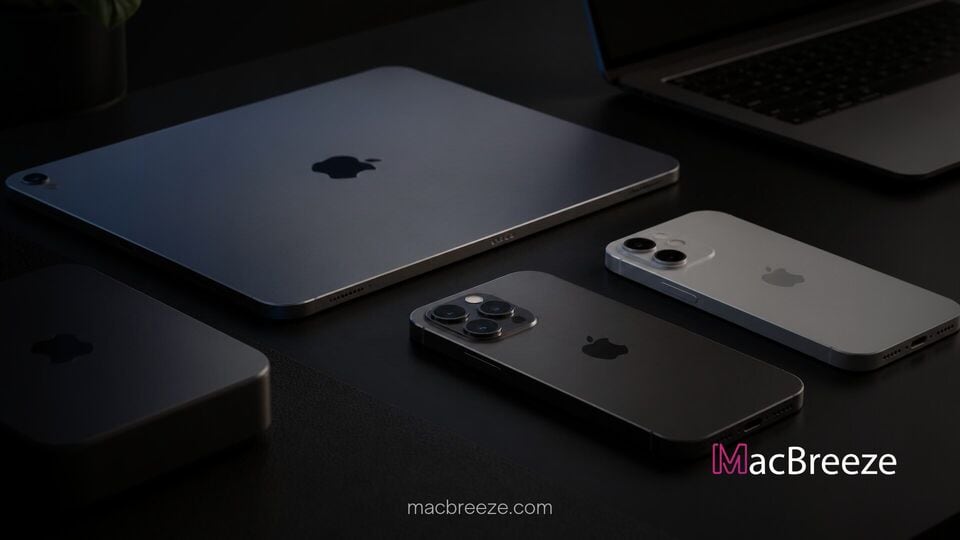
A fresh batch of unreleased hardware identifiers has surfaced within Apple server infrastructure, pointing to an extensive lineup of upcoming mobile devices and Mac computers. The discovery provides an early glimpse into internal product configurations for next-generation smartphones, tablets, and smart home accessories.
Code sleuths analyzing the system references noted nearly 40 newly added model tags across multiple product categories. While Apple regularly updates its internal databases during testing phases, the high concentration of new identifiers strongly indicates that several anticipated devices are approaching active production cycles.
Apple Backend Hardware Identifiers iPhone iPad Discoveries
The latest system code leaks expose 37 distinct hardware tags added directly to Apple back-end services, detailing future iterations across the iPhone, iPad, Mac, and Apple Watch lines. This vast set of strings provides crucial context regarding chip choices and device variations planned for upcoming release schedules.
Backend Leak Reveals Unannounced iPhone and iPad Identifiers
Tech researchers and software analysts frequently monitor server-side updates and beta system builds to track early preparations for new consumer products. By analyzing numerical formatting in internal strings, observers can distinguish entirely new device architectures from minor regional or wireless variations.
In previous software releases, similar internal listings successfully heralded hardware milestones long before formal press announcements. For instance, Apple releases iOS 27 and iPadOS 27 public beta 6 ahead of fall event preparations, establishing the software foundation necessary for server-side verification. When unannounced identifiers pop up in server configuration files, it usually indicates that engineering teams are performing automated network testing or preparing provisioning systems for retail units.
Breaking Down the Seven New iPhone Model Numbers
The most unexpected detail within the server discovery is the appearance of seven unique iPhone tags labeled sequentially from iPhone19,1 through iPhone19,7. Tech analysts previously anticipated a six-model lineup for upcoming generations, leaving industry observers searching for explanations regarding the extra entry.
The catalog of upcoming smartphones is expected to include standard flagship releases, high-end Pro editions, and specialized entry-level models. Industry sources indicate that the list likely covers variants such as the primary flagship, Pro, Pro Max, an ultra-thin design, and lower-tier variants. The unexpected seventh identifier could represent a secondary screen size option, an expanded storage SKU with distinct base hardware, or an exclusive regional configuration tailored for specific cellular bands.
Additionally, software features spotted in preliminary firmware builds suggest closer cross-device integration. Features like those seen when iOS 27 beta introduces iPhone Handoff to share numbers across devices require synchronized server tokens, explaining why server databases must be populated with valid hardware keys well before hardware ships.
Upcoming iPad and Mac Hardware Code Discoveries
Beyond mobile handsets, the configuration listings confirm active development for eight distinct iPad entries. Numerical groupings indicate both Wi-Fi and cellular configurations for refreshed entry-level tablets alongside high-performance Pro variants.
Among the tablet listings, system strings reflect upcoming revisions for the mid-range iPad family and an updated iPad mini equipped with next-generation silicon. Higher-end entries appear tied to upcoming iPad Pro models featuring advanced display panels and updated M-series chips.
The code leak also extends into desktop and portable computing. Nine Mac tags suggest Apple is preparing an array of refreshed workstations and laptops. As rumors persist about display technology shifts, such as how Apple plans to retain mini-LED MacBook Pro models alongside OLED until 2028, internal system testing helps validate performance profiles across different panel controllers and processor silicon.
Additionally, three tags labeled under the HomeAccessory classification further substantiate long-running reports that Apple is developing dedicated smart display units and unified home hubs running tvOS-based software.
What the Unreleased Identifiers Signal for Fall Hardware Releases
System administrators and network engineers rely on standardized hardware identifiers to manage device authentication, iCloud synchronization, and over-the-air firmware distribution. When Apple registers these strings internally, it ensures that prototype hardware can communicate safely with production servers during field testing.
The timing of these server entries usually signals that production schedules are moving smoothly. Devices undergoing final quality checks require active server profiles to run diagnostics and test network stability. Users managing existing hardware can also evaluate system health using diagnostic tools; for example, learning how to run Apple Diagnostics to test your MacBook for hardware issues provides clear insight into how internal reference codes function during troubleshooting.
Expected Unveiling Timeline at Apple Event
While backend discoveries confirm the existence of active hardware programs, they rarely dictate immediate launch dates. Apple frequently populates server tables months in advance to accommodate long-term supply chain verification and regulatory filings across global markets.
Major product announcements typically align with seasonal launch windows. Top-tier iPhone models, flagship Apple Watch revisions, and select high-end accessories usually anchor key autumn presentations. Conversely, entry-level iPad updates, budget-focused smartphones, and Mac refreshes are often scheduled for secondary launch windows in early spring.
As release dates approach, older product generations inevitably reach the end of their production lifecycles. Analysts note that as new entries populate database rosters, older devices are gradually phased out, echoing previous transitions where Apple is expected to discontinue over 10 products after September 9 event stages clear the way for updated hardware.
In summary, while internal backend identifiers do not guarantee that every tagged device will launch immediately, they provide concrete evidence of Apple's expanding multi-year product pipeline across its ecosystem.