Developers exploring the latest beta builds have uncovered an unannounced cellular continuity feature designed to unify multi-device connectivity. The newly discovered system allows primary mobile numbers to be shared dynamically across secondary hardware without needing independent physical SIM cards.
Building upon Apple's existing ecosystem tools, this development streamlines communications for professionals and power users who balance separate personal and work phones. Early hands-on testing suggests the functionality will significantly alter how mobile networks interact with synced Apple devices.
New iPhone Handoff Feature Discovered in iOS 27 Beta
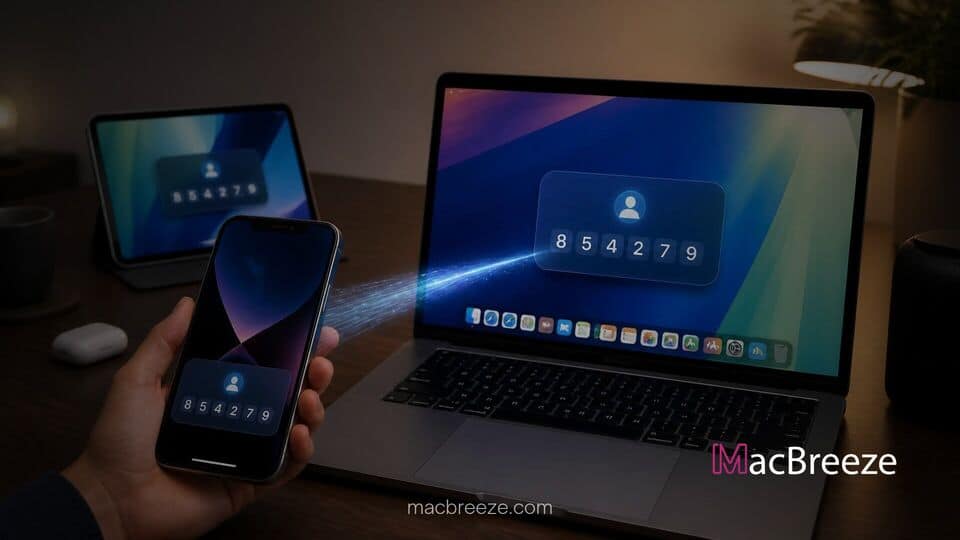
Code strings and internal preference toggles hidden within the developer release point toward a major expansion of Apple's Continuity suite. Known internally as Phone Handoff, the feature permits a primary device to broadcast its cellular line to another nearby phone logged into the same iCloud account. While previous system updates focused on audio switching for accessories and cross-platform airplay, this update focuses specifically on core carrier network sharing.
The discovery arrives shortly after Apple Released iOS 27 and iPadOS 27 Public Beta 6 Ahead of Fall Event, signaling that software engineers are actively refining advanced connectivity protocols for the public launch. Users testing the feature report that inbound voice calls, standard SMS messaging, and RCS threads are forwarded instantly with minimal latency.
How iPhone Handoff Works With Dual eSIM Setup
Under the hood, the iOS 27 iPhone Handoff feature relies on secure local Wi-Fi pairing and cryptographic peer-to-peer tokens. Rather than requiring users to purchase duplicate cellular plans or move a physical nano-SIM, the system routes voice packets over encrypted local channels when both handsets sit within proximity. When separated, remote relaying kicks in over encrypted cloud infrastructure.
This approach builds upon foundational architecture introduced when iOS 27 Added Separate Volume Controls for Ringtones, Alarms, and Alerts, giving users complete granular control over how secondary devices notify them of incoming cellular activity.
Primary and Companion Device Roles
To establish a connection, one device must be designated as the anchor hardware hosting the active cellular subscription. Once authorized, secondary companion devices receive real-time updates regarding cellular signal strength, network status, and voicemail notifications directly within Settings.
When an incoming call arrives, both screens light up simultaneously, presenting native call management interfaces. Accepting the call on the companion device seamlessly routes the audio stream via real-time VoIP protocols without dropping packet quality or exposing temporary network addresses.
Carrier Requirements and Technical Limitations
Although the feature functions independently of physical SIM slots, full implementation still hinges on cellular network provisioning. Participating carriers must support Apple's unified cloud-calling standards to allow outbound caller ID spoofing and cross-device SMS routing without incurring extra service charges.
Preliminary technical analysis indicates that high-bandwidth data transfers, such as heavy personal hotspot usage or uninterrupted Wi-Fi calling over legacy 3G networks, will not be supported over companion relays. Users experiencing wireless stability issues during initial setup can refer to practical guides on How to Fix iPhone Wi-Fi Connection Issues and Frequent Drops to ensure their network environment is properly optimized.
Impact for Users Managing Multiple iPhones
For field workers, business executives, and developers carrying separate handsets for personal and work responsibilities, the utility of this capability is immediate. It eliminates the need to manually forward calls or carry multiple devices throughout an office environment simply to remain reachable on a primary line.
Industry analysts note that this shift aligns with broader hardware developments across Apple's mobile lineup. As reported when iPhone Ultra Leaks Confirmed MagSafe Charging and iOS 27 Multitasking, the tech giant is increasingly shaping software features to support complex multi-device workflows across varying form factors.
Release Expectations and Future Carrier Support
Apple has not publicly announced an official rollout date for the expanded Handoff capability, but its presence in recent builds suggests it may arrive alongside the final commercial release of iOS 27 this autumn. Early developer documentation indicates that major wireless service providers in North America and Europe are already conducting back-end trials.
As beta testing progresses through its final stages prior to public distribution, user feedback will determine whether carrier approval delays push the official launch into a subsequent software patch. For now, the discovery highlights Apple's continued emphasis on seamless ecosystem integration across its device portfolio.