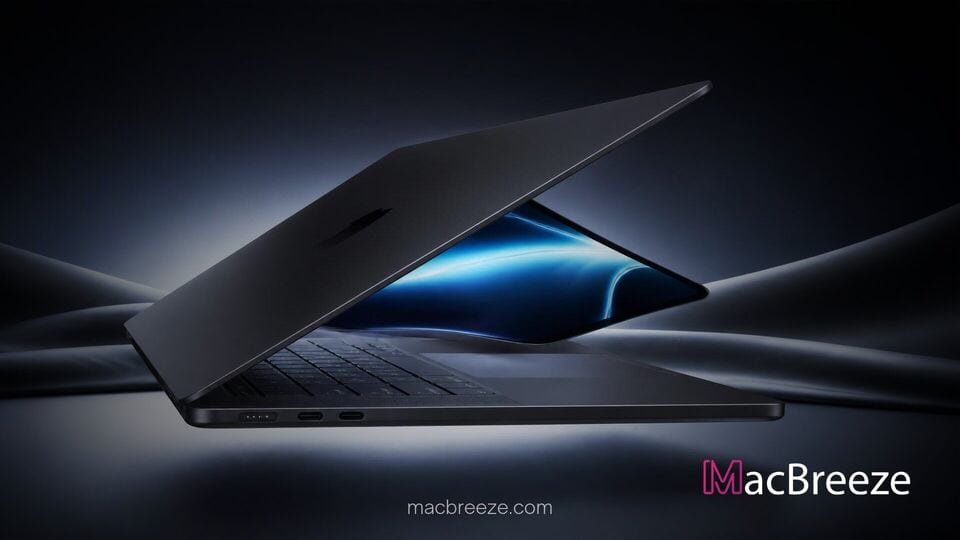
Apple is preparing a comprehensive physical overhaul for its flagship portable workstation, reengineering internal components to yield a thinner chassis and a substantially reduced overall weight. The upcoming laptop update will combine high-end display technologies with miniaturized structural parts, creating the lightest pro-tier notebook experience from the company in years.
According to new reporting, engineers have rearranged internal logic boards, miniaturized power delivery systems, and optimized cooling assemblies to achieve these reductions without sacrificing overall system performance. The flagship laptops are expected to debut later this fall, bringing together long-rumored display upgrades alongside a refreshed hardware aesthetic under CEO John Ternus.
Mark Gurman Details Reengineered OLED MacBook Pro Interior
Writing in his Power On newsletter, Bloomberg's Mark Gurman reported that Apple has achieved a breakthrough in weight reduction by completely rethinking how components fit inside the chassis. The internal redesign allows the company to slim down the casing while keeping the high-performance thermal envelope required for intensive professional workflows.
While exact figures in grams or ounces were not specified in the initial report, sources familiar with the matter emphasized that the reduction will be immediately noticeable to users carrying the laptop daily. The current 16-inch MacBook Pro model weighs approximately 4.8 pounds, whereas the 15-inch MacBook Air sits at 3.3 pounds. Bringing the professional line closer to the portability profile of the Air family represents a major shift in Apple's design strategy.
Miniaturized Internal Components and Weight Reductions
Achieving a lighter profile requires shrinking the physical space occupied by passive hardware, interconnects, and cooling hardware. Apple's hardware engineering teams have reportedly reengineered the internal architecture, utilizing smaller mainboards, custom-fitted heat pipes, and dense component layouts to free up internal volume.
This approach mirrors recent developments seen across other product lines. For instance, reports detailing N224 Vision Pro concepts with compute pucks highlight Apple's ongoing focus on redistributing hardware mass to maximize comfort and utility. On the Mac, miniaturizing internal components allows the chassis to shed unnecessary weight without requiring smaller battery capacities.
Expected OLED Display and Touchscreen Capabilities
The updated weight profile is paired with a major shift in screen technology. The upcoming lineup is set to adopt Tandem OLED panels, similar to the advanced display tech introduced in top-tier iPad models. OLED displays eliminate the bulky backlight layers required by conventional mini-LED screens, contributing directly to the thinner profile and lighter weight of the new lid assembly.
In addition to improved contrast ratios and true blacks, the OLED panels will introduce touch-screen capabilities to the Mac lineup for the first time. The software foundation for touch navigation is actively being tested in beta releases of macOS Golden Gate, which feature larger tap targets, expanded Control Center menus, and fluid gestures tailored for finger input alongside traditional trackpad use.
oled macbook pro significantly lighter design leak
Leaked details regarding the oled macbook pro significantly lighter design leak reveal that Apple is actively balancing raw hardware performance with refined ergonomics. By reducing total chassis mass and adopting lighter display materials, the tech giant aims to resolve long-standing customer feedback regarding the bulkiness of its top-tier 14-inch and 16-inch laptops.
Dynamic Island Integration and Enclosure Redesign
Beyond the reduced weight, the physical footprint of the laptop is undergoing noticeable changes. The classic display notch introduced in earlier Apple Silicon laptops is reportedly being replaced by a streamlined Dynamic Island cutout. Similar to recent iPhone hardware, the Dynamic Island will expand fluidly to showcase live activities, background system timers, media playback controls, and system notifications.
This design shift aligns with ongoing hardware adjustments across Apple's hardware portfolio. Recent reports on the iPhone 20 Pro quad-curved display leak show how Apple continues to refine display cutouts and bezel geometries across mobile and desktop interfaces alike.
Current M5 Pro and M5 Max Chip Expectations
Underneath the reengineered hood, the upcoming OLED laptops are expected to maintain the current generation M5 Pro and M5 Max silicon. Apple has reportedly chosen to keep these proven processors in the new enclosure rather than wait for next-generation manufacturing nodes. This strategy allows the company to focus its engineering efforts on structural, thermal, and display innovations.
While future performance leaks point to significant jumps, such as early M6 GPU Geekbench benchmark leaks showing substantial graphics gains, the immediate priority for this hardware revision is centered on chassis ergonomics, OLED visual fidelity, and touch interactivity.
Launch Timeline and Target Availability
Apple is currently testing the reengineered hardware alongside developer builds of macOS 27.2. Industry insiders expect an official reveal in late October or November, setting up the new laptops as flagship releases ahead of the holiday shopping period. The lightweight OLED configurations are anticipated to sit at the top of the Mac lineup as premium offerings alongside standard models.
The combination of a lighter chassis, OLED touch display, and refined interior engineering highlights a renewed focus on industrial design at Apple. If these leaks hold true during the official unveiling, professional users can look forward to a high-performance laptop that is significantly easier to travel with without sacrificing battery life or computing power.