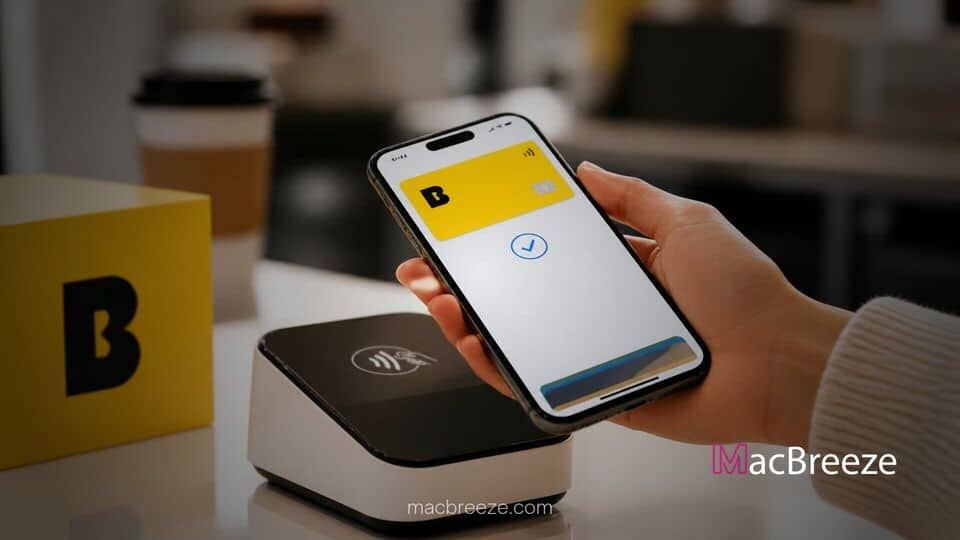
South Korea's internet-only financial institution KakaoBank officially launched support for Apple Pay on November 16, 2026. The integration allows millions of KakaoBank account holders to register their debit cards with Apple Wallet for seamless contactless payments nationwide and internationally.
This landmark launch officially ends Hyundai Card's exclusive multi-year market hold as the sole provider of Apple Pay within South Korea. With KakaoBank entering the ecosystem, contactless digital payments on iOS devices are now accessible to a vastly expanded customer base without requiring a dedicated credit card application.
kakaobank apple pay south korea launch
The long-awaited kakaobank apple pay south korea launch brings contactless tap-to-pay functionality to KakaoBank debit cards and teen-focused Mini cards across physical retail locations, online platforms, and mobile apps. Customers can authenticate transactions instantly using Face ID, Touch ID, or their device passcode. This move opens digital wallet capabilities to millions of younger users, students, and check card users who previously lacked access to Apple Pay under the single-issuer model.
KakaoBank Expands Apple Pay Access to Millions of South Korean Users
With a customer base exceeding 27 million users, KakaoBank brings substantial volume to Apple Pay in South Korea. Starting immediately, eligible cardholders can add their KakaoBank debit cards to the Apple Wallet app on iPhone, Apple Watch, iPad, and Mac devices. The integration requires no additional fees for consumers and functions anywhere Near Field Communication (NFC) contactless payments are accepted.
For young consumers who often find it difficult to obtain traditional credit cards, this launch serves as a primary doorway to mobile payments. Teenage users aged 14 and older who hold KakaoBank Mini prepaid cards can also link their accounts directly to Apple Wallet. This broad inclusion allows younger demographics to utilize mobile payments at convenience stores, cafes, pharmacies, and public venues without carrying physical plastic cards.
To secure user data, transactions conducted through KakaoBank on Apple Pay rely on tokenized device account numbers. Actual credit or debit card numbers are never stored on device hardware or transmitted to Apple servers, relying instead on isolated hardware security chips such as Apple's Secure Element. Advanced platform architectures like Apple Secure Exclaves highlight Apple's ongoing commitment to isolating sensitive device operations from primary operating systems.
Supported Cards and Apple Wallet Integration Features
Setting up Apple Pay via KakaoBank requires minimal user configuration. Users can initiate the registration process directly from the KakaoBank mobile app or through the native Apple Wallet interface.
- KakaoBank Debit Cards: Full support for standard check cards linked to primary consumer accounts.
- KakaoBank Mini Cards: Supported for teenage users aged 14 and up.
- Cross-Platform Payments: In-app and online checkout capabilities across iOS, iPadOS, and macOS systems.
- Global Usability: Payments are accepted at overseas NFC-enabled terminals without extra account modifications.
The roll-out comes during a period of broader hardware and software developments across the tech ecosystem, from enterprise deployments like Mac Studio MLX enterprise servers to user interface improvements seen in software updates like macOS Golden Gate 27.2.1.
Breaking Hyundai Card's Multi-Year Exclusive Market Monopoly
When Apple Pay first arrived in South Korea in March 2023, Hyundai Card was the sole financial partner supporting the service. For three years and eight months, Hyundai Card maintained an effective exclusive monopoly on Apple Wallet transactions within the country. While Hyundai Card saw substantial gains in new account sign-ups and transaction volume during that period, rival issuers hesitated due to NFC infrastructure deployment costs and transaction processing fees.
The lack of competition meant iPhone users who preferred not to open a Hyundai Card account were excluded from using Apple Pay. Furthermore, consumers relying exclusively on debit cards from other retail banks could not access Apple Wallet features. KakaoBank's entry completely disrupts that dynamic, forcing established card issuers to reconsider their adoption timelines.
"The launch will give customers more payment options and make everyday transactions more convenient," a KakaoBank representative said in a statement regarding the release. "We will continue expanding our global payment services while working with industry partners to help develop Korea's domestic payment infrastructure."
Future Outlook for Digital Wallet Expansion in South Korea
Industry analysts expect KakaoBank's move to accelerate Apple Pay adoption across South Korea's financial sector. Other internet-focused institutions such as Toss Bank, alongside major traditional card operators like Shinhan Card, KB Kookmin Card, and BC Card, are actively reviewing terms and technical setups to introduce their own Apple Pay integrations.
As mobile payments continue to mature alongside hardware evolution such as touchscreen MacBook Pro systems and software features like agentic Siri in iOS 28, seamless wallet integrations play a central role in ecosystem retention. With KakaoBank lowering the barrier to entry for check card users, NFC payment acceptance is anticipated to grow quickly across smaller merchants throughout the country.
In summary, KakaoBank's introduction of Apple Pay marks a pivotal shift in South Korea's digital finance landscape. By dismantling Hyundai Card's long-standing exclusive monopoly, the digital lender provides millions of iPhone users with greater payment flexibility, stronger competition, and expanded access to modern mobile transaction services.