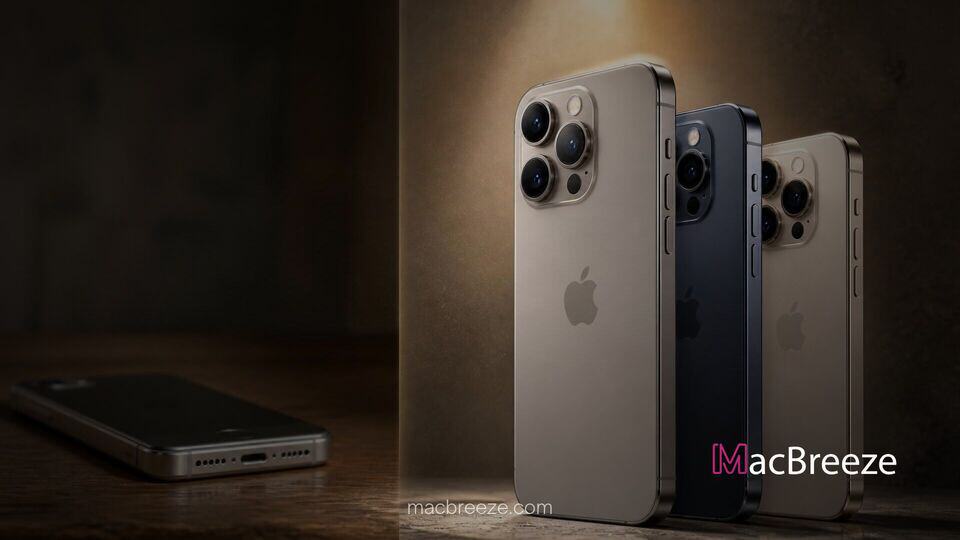
Apple has restricted its newly introduced iOS 27 camera customization capabilities, specifically the fine-grain texture and film grain adjustment tools, exclusively to its latest flagship smartphone lineup. The limitation means that while older supported devices receive general operating system updates, they will lack these advanced image-processing controls in the native Camera app.
The restriction has surfaced following a recent revision to support documentation and technical guides published by the company. Photography enthusiasts operating earlier hardware generations will be unable to access the real-time grain controls, prompting questions about hardware dependencies versus artificial software segmentation across Apple's mobile lineup.
Photographic Style Updates Restrict Texture and Grain Capture
With the release of iOS 27, Apple expanded its Photographic Styles framework, providing photographers with granular control over tone, color balance, and surface texture. Central to this update are the dedicated real-time grain and texture sliders, designed to emulate analog film stock or apply subtle sharpening algorithms directly within the viewfinder pipeline.
According to Apple's updated system specifications, rendering these analog style effects in real time requires the enhanced neural execution engines integrated into the latest A-series processors. Capturing high-resolution sensor data and processing multi-frame exposure pipelines alongside instant texture mapping creates significant computational demands. The company maintains that older silicon architectures lack the dedicated throughput to handle these real-time visual calculations without introducing latency or frame drops in the preview window.
This situation mirrors past software rollouts where flagship hardware retained key creative tools. Users exploring broader camera and system changes in the OS update, such as those navigating the iOS 27 rapid swipe bug workaround, have noticed that media features increasingly depend on system-on-chip capabilities. Similarly, other ecosystem features like the expanded Apple Intelligence storage footprint in iOS 27 highlight the growing local processing demands placed on modern hardware.
Revised Documentation Clarifies Device Compatibility
The operational limits became clear after Apple quietly updated its consumer feature availability pages. Initially, early promotional materials suggested broader support across multiple generations capable of running iOS 27. However, the clarified documentation specifies that full capture, live preview, and post-capture editing of texture and grain metadata are restricted strictly to current-generation devices.
Under the revised guidelines, older devices running iOS 27 can view photos taken on newer models that contain these texture profiles. However, legacy hardware cannot modify the grain strength, alter the texture depth, or apply the styles to newly captured photos within the system Photos app.
Impact on Older iPhone Models
The decision to lock these creative controls behind hardware boundaries leaves owners of previous-generation iPhones with standard Photographic Styles. While basic warmth and tone adjustments remain fully functional across all supported models, the missing texture and grain options limit creative control for mobile photographers who rely on built-in software tools.
For mobile content creators, this hardware split enforces a distinct boundary between device tiers. Photographers who desire film-like aesthetic controls without relying on third-party subscription software must now upgrade their handsets to access native system tools. This strategy follows Apple's broader approach to ecosystem updates, where high-throughput processing tasks are reserved for current silicon while general operating system stability updates, like those seen in iOS 27.2 beta releases, extend across wider hardware families.
Discrepancy Between Original Launch Claims and Current Rules
The restriction has raised eyebrows among tech analysts and users who recalled the initial system preview. During early presentations, the emphasis was placed on the universal overhaul of the camera rendering engine. The subsequent technical breakdown specifying hardware cutoffs led to widespread discussion on community forums and social platforms.
Critics argue that post-capture grain application, as opposed to real-time preview rendering, could technically be processed on older Neural Engines given sufficient rendering time. Apple, however, has traditionally resisted offering degraded or asynchronous experiences in its stock Camera app, opting instead to disable features entirely on devices that cannot deliver instant, high-frame-rate feedback.
Looking Ahead to Future Camera Software Updates
As Apple continues refining iOS 27 through subsequent point updates, the hardware gap between current and legacy devices is becoming increasingly pronounced. Computational photography features now serve as primary differentiators for new smartphone hardware, making it unlikely that Apple will backport the missing texture and grain tools to older devices in future maintenance releases.
Users on older devices who wish to downgrade to earlier operating system versions should note that options are increasingly limited, as seen when Apple stopped signing iOS 26.6.2. Additionally, as trade-in programs adjust, such as recent shifts where Apple lowered iPhone trade-in rates, the cost to upgrade to access these advanced camera features remains a key consideration for consumers.
Ultimately, the restriction of the iOS 27 texture and grain camera features underscores Apple's commitment to pushing real-time computational photography on its latest silicon, even when it leaves owners of recent legacy models behind.