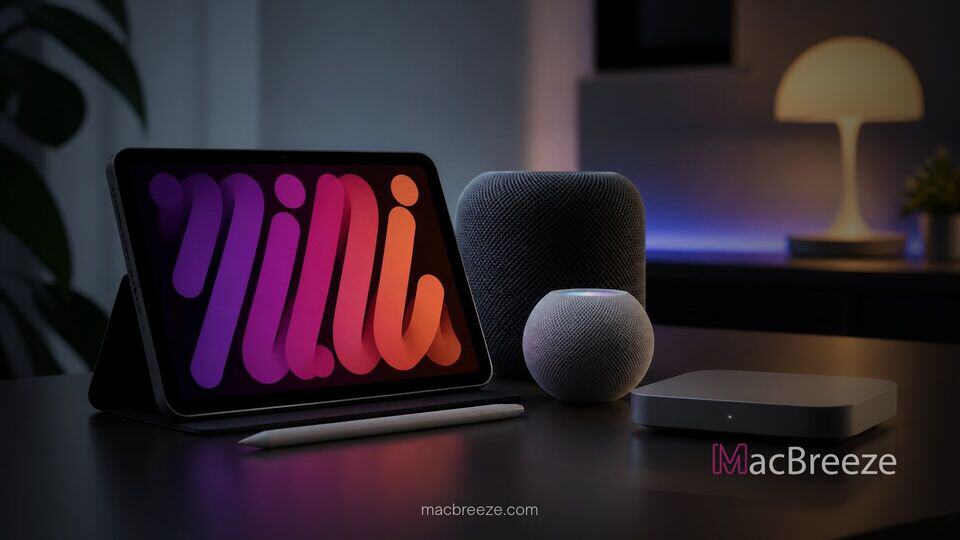
A recent deep dive into developer code for the upcoming macOS operating system update has uncovered unreleased device identifiers and configuration files pointing to several new Apple hardware products. The internal references detail an OLED iPad mini alongside a brand-new generation of smart home displays and home automation accessories.
Software beta builds frequently contain early device drivers and framework stubs intended to ensure cross-device compatibility across Apple ecosystems. These latest discoveries offer a concrete look at hardware projects currently progressing through internal testing and staging environments.
macOS Beta OLED iPad Mini Leak and Technical Discoveries
The latest macOS beta release contains system framework entries referencing new tablet display configurations that match past supply chain forecasts. According to file analysis performed by software researchers, the system drivers reference an updated iPad mini model equipped with an organic light-emitting diode display panel, moving away from the Liquid Retina LCD technology used in current iterations. This shift aligns with broader industry reports, such as those covered in DigiTimes Outlines Apple's OLED Display Roadmap for iMac and MacBook Lines, detailing Apple's long-term plan to transition its tablet and computer displays to OLED screens.
New Hardware References Discovered in macOS Beta Code
Beyond screen technology, the software strings provide a closer look at the underlying architecture powering upcoming mobile devices. The configuration files outline system controller drivers designed to interface with next-generation processing platforms across multiple product categories.
OLED iPad Mini and A19 Pro Chip Details
Within the macOS beta bundle, specific device identifier strings correspond to an unreleased tablet model linked to an A19 Pro system-on-chip variant. The code indicates that the compact tablet will support higher display refresh rates and enhanced power management controls tailored for vibrant OLED displays. Modern display controllers require distinct color management profiles and variable refresh rate logic to prevent screen burn-in and optimize battery efficiency, both of which were found baked into the new system driver bundles.
The code also highlights upgraded wireless interface drivers that line up with Apple's recent push toward universal network compatibility across its hardware lineup. Details regarding higher bandwidth support and broader protocol integration echo updates previously published in Apple Publishes Official Device List Supporting Full Wi-Fi 7 Features.
Unreleased Smart Home Accessories and Tabletop Robot
In addition to mobile computing hardware, developer string analyses revealed multiple unannounced model identifiers associated with home automation. The code references two distinct smart display devices running a specialized variant of homeOS or audioOS. System framework dependencies suggest these products will serve as centralized command hubs for home security systems, smart lights, and connected media playback.
One specific device profile includes sensor driver frameworks designed for motorized tracking and proximity detection, providing technical weight to long-standing rumors that Apple is working on a tabletop smart home robotic arm or tilting screen device. These software interfaces allow the connected display to pivot toward active speakers during video calls and react dynamically to user movements within a room.
The system frameworks include direct integrations with existing media streaming protocols and screen sharing pipelines. Apple continues to refine these home hub capabilities alongside existing connectivity features detailed in resources like How to Fix AirPlay Not Working or Screen Mirroring Issues on iPhone, ensuring low-latency communication across residential mesh networks.
Expected Launch Windows and Ecosystem Impact
While code references in developer betas confirm that underlying software support is actively being constructed, they rarely provide exact commercial release dates. Historical release patterns suggest that hardware appearing in preliminary operating system builds usually arrives within six to eighteen months, depending on supply chain readiness and production yields.
Industry analysts anticipate that the OLED iPad mini could make its formal debut alongside refreshed tablet lineups in late 2026 or early 2027. Meanwhile, the standalone smart home hub accessories and potential robotic display hardware are expected to headline a renewed push into the smart home ecosystem in the coming product cycles.
Software developers and system administrators tracking beta builds can expect further revisions to these code modules as future developer seeds refine device compatibility drivers. For now, the leaked system code demonstrates that Apple is actively preparing its operating system core for a major expansion into high-end display mobile devices and dedicated home robotics.