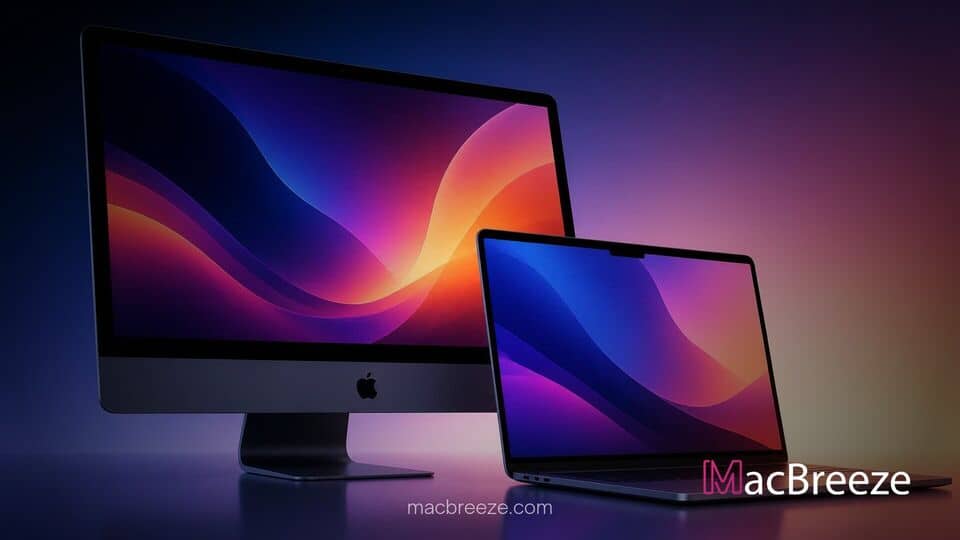
Apple is preparing a comprehensive transition to organic light-emitting diode (OLED) technology across its computing lineup over the next several years, according to supply chain sources cited by Taiwanese tech publication DigiTimes. The report indicates that key consumer hardware, including the MacBook Pro, MacBook Air, iMac, iPad mini, and iPad Air, will undergo panel upgrades designed to elevate visual performance and energy efficiency across Apple's hardware ecosystem.
DigiTimes Reveals Apple Multi-Year OLED Display Transition Plan
The latest industry intelligence from DigiTimes outlines a structured, multi-year Apple OLED display roadmap spanning from 2026 through 2029. According to industry sources, the hardware rollout aims to bring advanced display panels to both compact tablets and desktop workstations, systematically moving away from legacy Liquid Crystal Display (LCD) structures and current mini-LED configurations.
Expected Timeline for iPad mini and MacBook Pro Upgrades
The timeline begins with smaller and flagship portable devices. The iPad mini is slated to adopt an OLED screen in 2026, making it one of the earlier beneficiaries of the display transition following the iPad Pro. High-performance laptops are following right behind, with the MacBook Pro line expected to receive OLED panels in late 2026 or early 2027. Industry analysts suggest these MacBook Pro revisions may coincide with the introduction of new Apple Silicon generations and potential chassis refinements designed to take advantage of thinner display assemblies.
Long-Term OLED Roadmap for iMac and MacBook Air
For high-volume consumer models and desktop products, Apple is taking a longer-term approach. The iPad Air is scheduled to undergo an OLED upgrade in 2027. Meanwhile, mainstream computing hardware such as the MacBook Air and the 24-inch desktop iMac are targeted for OLED integration between 2028 and 2029. This staggered strategy allows Apple to manage supply chain capacity and reduce component costs before bringing the technology to entry-level and mass-market price points.
Display Technology Enhancements and Panel Manufacturing
Moving to OLED represents a fundamental shift in visual quality for Apple personal computers. Unlike LCDs that require a uniform backlight, OLED technology uses self-emissive pixels that can turn off completely, yielding true deep blacks, infinite contrast ratios, and exceptional dynamic range. Additionally, OLED panels are physically thinner and lighter, giving industrial designers more flexibility to trim laptop profiles and internal thermal layouts.
Tandem OLED Improvements and Picture Quality Gains
Following the debut of Tandem OLED on the iPad Pro, Apple is evaluating different panel configurations based on device tier and price point. Dual-stack Tandem OLED panels, which stack two light-emitting layers to boost peak brightness and extend display lifespan, are slated primarily for pro-grade hardware like the MacBook Pro. Conversely, intermediate devices like the iPad Air and entry-level laptops are expected to feature single-stack OLED panels to manage manufacturing costs while still providing marked upgrades in color reproduction and contrast over legacy LCD screens.
Supply Chain Partners and Production Capacity
Realizing this extensive roadmap depends heavily on major display manufacturing partners, primarily Samsung Display, LG Display, and BOE. Panel makers are investing heavily in Generation 8.6 OLED production lines, which are specifically optimized for larger substrates used in laptops and desktop monitors. Scaling up Gen 8.6 facilities is vital for lowering unit costs and securing the high-volume production required for millions of MacBooks and iMacs annually.
Market Impact and Consumer Expectations
The gradual shift toward OLED across the Mac portfolio reflects broader consumer demand for high-end display standards, driven by photo editing, video creation, and HDR media consumption. As display technology matures across the industry, consumers increasingly expect high contrast and vibrant color accuracy across all product tiers.
Pricing Strategy Across Future Apple Hardware
Because OLED panels remain substantially more expensive to manufacture than traditional LCDs, Apple's phased timeline enables the company to maintain healthy profit margins. Higher production yields over the next several years should allow panel manufacturers to reduce unit prices, helping Apple keep consumer pricing steady for entry-level products like the MacBook Air when they eventually adopt OLED around 2028 or 2029.
Next Steps in Apple Silicon Display Integration
As Apple aligns its display hardware roadmap with upcoming custom Apple Silicon processors, future Mac releases are set to offer tighter integration between display engines, GPU pipelines, and power efficiency features. While timelines remain subject to change based on supply chain yields, the comprehensive DigiTimes report outlines a clear multi-year path toward an all-OLED display standard across Apple's core computing products.