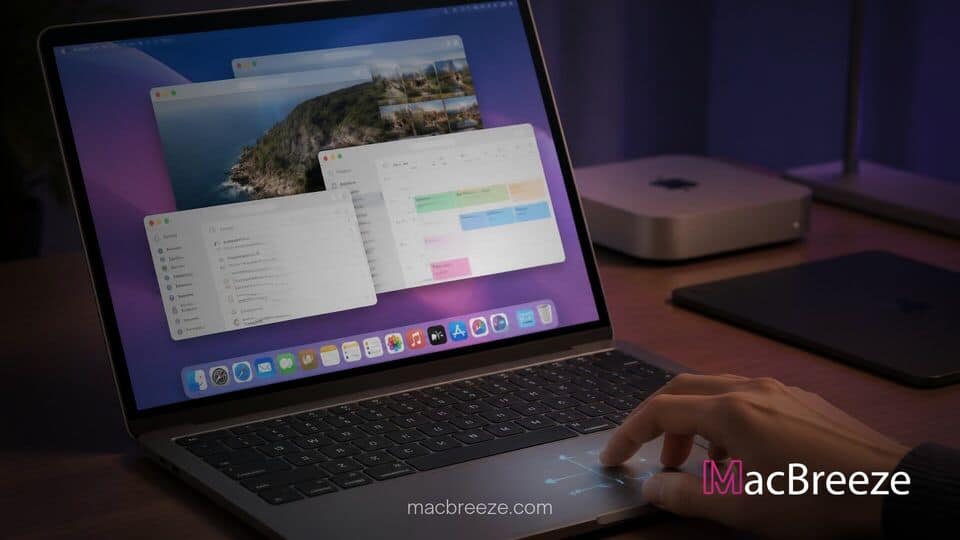
Apple has seeded the developer beta for macOS 27.2, introducing direct display touch gesture support across primary native applications. The underlying framework additions suggest that Apple is actively laying the groundwork for upcoming touch-enabled Mac hardware line upgrades.
The update includes expanded input event handling tailored for direct screen interactions alongside existing trackpad multi-touch gestures. Software engineers analyzing the developer kit discovered hidden interface assets and event listeners specifically coded for screen-level touch inputs rather than traditional indirect cursor manipulation.
Code Leaks in macOS 27.2 Reveal Dedicated Touchscreen Features
The recent release of the macos 27 2 beta touch gestures build brings significant structural changes to how the operating system handles display interactions. In earlier releases, such as macOS 27.0.1 Golden Gate, touch inputs were primarily mapped to simulate cursor positioning or trackpad translation. However, the macOS 27.2 SDK introduces distinct, low-level touch event classifications within the AppKit and SwiftUI frameworks.
Developer analysis reveals dedicated classes for direct multitouch tracking, palm rejection algorithms, and visual touch feedback overlays. These additions operate independently from trackpad drivers, confirming that the code is tailored for displays that recognize direct finger taps, pinches, and swipes.
Touch Gesture Recognition in Safari, Photos, and Notes
Within native system software, several key applications have received targeted enhancements that react differently to direct touch inputs:
- Safari: Web pages now support fluid vertical and horizontal finger dragging, direct double-tap zooming, and a responsive edge-swipe system for navigating page history. This pairs alongside existing platform additions like the ability to create custom Safari extensions using natural language prompts.
- Photos: Users can manipulate photo albums, adjust crop frames, and pinch to zoom into high-resolution imagery directly on the canvas without dragging a pointer.
- Notes and Freeform: Direct canvas sketching receives immediate responsiveness, allowing low-latency finger drawing and pressure-sensitive stroke simulation.
New Dock Animations and Screen Overlay Indicators
The visual user interface in macOS 27.2 beta includes subtle graphical tweaks engineered specifically for touchscreen interactions. When an on-screen element receives direct touch input, a translucent ripple animation appears beneath the touch point to provide immediate visual confirmation.
Additionally, the macOS Dock and menu bar items feature dynamic padding adjustments when direct touch input is registered. Icons expand slightly when approached by a direct tap, mitigating precision issues associated with smaller desktop interface elements.
Software Bridge for Rumored Touch-Enabled Laptops
For years, Apple leadership maintained that touchscreens belonged on iPads while Macs were best served by keyboards and precision trackpads. However, industry supply chain reports and internal leaks have increasingly indicated a shift in hardware strategy under recent hardware engineering restructurings.
Recent leaks surrounding high-end laptops, including reports detailing a rumored MacBook Ultra featuring a touch-enabled display, point toward an upcoming hardware revision that bridges desktop performance with touch versatility. The additions in macOS 27.2 serve as the necessary software bridge, ensuring that native apps and third-party software built on modern Apple frameworks can leverage direct display input seamless from launch day.
Industry analysts note that Apple's unified architecture makes adapting touch capabilities easier across platforms. Because macOS and iPadOS share underlying frameworks, developers can port touch-optimized interfaces between operating systems with minimal code modifications.
Expected Release Window and Compatibility Impact
The macOS 27.2 developer beta is expected to undergo several testing cycles before reaching public rollout later this season. While current Mac hardware lacks touchscreen displays, testing these gesture frameworks allows developers to update their Mac App Store applications in advance of future hardware announcements.
Existing Mac users without touch hardware will not experience disruptions, as traditional trackpad, mouse, and keyboard navigation remain fully intact and unchanged. The touch event listeners operate in the background, activating only when compatible display hardware is detected by the operating system kernel.
As Apple continues to refine its software ecosystem, the inclusion of direct touch controls in macOS 27.2 signals a deliberate transition toward unified input methods across the entire personal computing lineup.