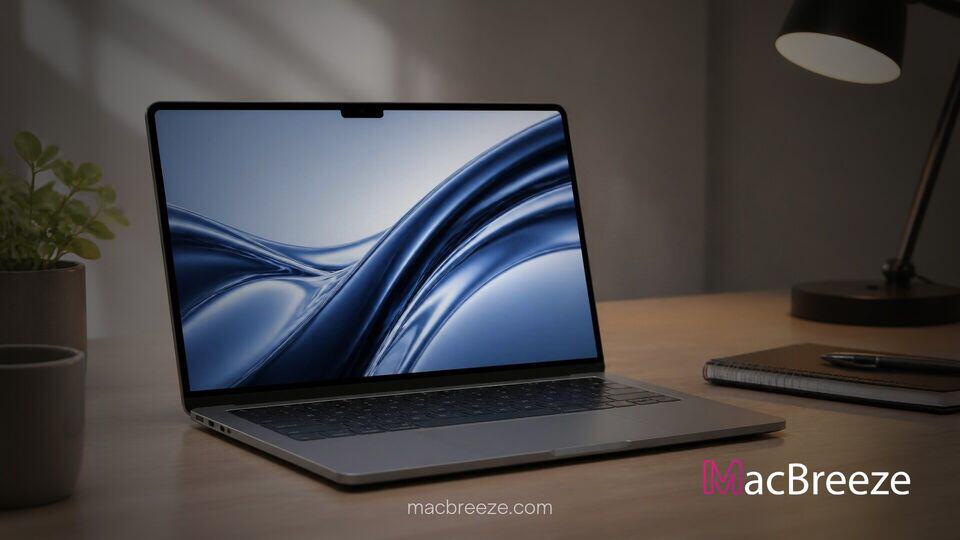
Apple is reportedly preparing a second-generation version of its budget notebook for release in the first half of 2027. According to industry sources and supply chain reports, the upcoming laptop will address user feedback by increasing base memory to 12GB alongside a move to the A19 Pro chip.
The original entry-level portable debuted as Apple's most accessible Mac, offering an entry point beneath the mainstream line. While well-received for its value and lightweight chassis, power users and reviewers quickly identified memory constraints during heavier multitasking workflows. The anticipated revision aims to strengthen overall system responsiveness while keeping the device positioned at an accessible price point.
Reports Point to Early 2027 Release for MacBook Neo 2
Industry coverage following supply chain developments indicates that production planning for Apple's entry-level portable family is accelerating. Component suppliers have reportedly received shipment estimates targeting up to 16 million units across 2027, roughly doubling volume expectations compared to the initial model's launch run. That expanded volume forecast points toward a refreshed model arriving early in the calendar year to sustain momentum.
Market observers suggest an early 2027 rollout fits neatly within Apple's broader hardware release schedule. By placing the launch in the first half of the year, Cupertino can establish a predictable update cadence for entry-level computing hardware. A spring introduction would also allow the refreshed hardware to align with educational procurement cycles and early tax-season buyers.
Upgraded A19 Pro Chip and 12GB RAM Configuration
The core of the upcoming hardware refresh centers on an internal Silicon step up. Moving from the current A18 Pro platform to the A19 Pro processor is expected to yield notable efficiency gains and enhanced graphics processing. Crucially, the system architecture will shift from the current 8GB unified memory allocation up to 12GB of RAM as standard.
This 50 percent increase in unified memory provides essential head room for modern software environments. Because Apple Silicon utilizes a shared pool of high-speed memory across processor and graphics cores, additional system RAM directly prevents the operating system from relying on solid-state storage swapping during heavy workloads. Users who regularly run multiple browser tabs alongside office productivity apps or background media streams should notice fewer system stutters.
Beyond everyday desktop app performance, expanded memory plays a pivotal role in enabling on-device artificial intelligence tasks. As Apple Intelligence software features continue expanding across macOS, local model execution requires dedicated system resources. A 12GB baseline ensures entry-level laptops can execute complex background summaries and generative processing without starving the rest of the operating system.
Addressing 8GB Memory Bottlenecks in Entry-Level Macs
For several release cycles, hardware analysts and consumers debated whether 8GB of memory remained sufficient for modern computer operating systems. While macOS memory management efficiency allowed basic tasks to run smoothly on lower configurations, resource-intensive workflows often pushed entry-level systems into swap memory usage. This limitation led many buyers to wonder whether they should purchase current hardware or wait for upgraded revisions.
The reported shift to a 12GB starting baseline reflects a broader industry recognition of shifting software demands. With web applications, communication platforms, and creative utilities growing increasingly complex, extra unified memory prolongs device longevity. A higher base specification ensures that even budget-conscious machines remain capable long-term investments for students and everyday users.
This strategic spec update mirrors broader adjustments across Apple's lineup. While high-end portables like the top-spec touchscreen MacBook Pro target heavy workflows with massive memory footprints, entry-level notebooks must balance everyday capability against strict price targets. Elevating the baseline to 12GB helps bridge that gap without pricing everyday consumers out of the ecosystem.
What to Expect From Apple's Next Budget Laptop
Beyond internal silicon upgrades, reporting indicates the new model will retain many core design choices that established its popularity. The fanless, silent aluminum chassis is expected to return alongside a bright 13-inch display panel and colorful exterior finish options. Apple may also introduce revised color choices to distinguish the second-generation model from its predecessor.
Hardware features like built-in security remain central to the platform. Advanced background protections, including hardware-level Secure Exclaves isolating Mac camera and microphone data, work seamlessly alongside chip-level security primitives. These privacy features remain integrated into system silicon without impacting everyday performance.
On the software side, seamless platform integration continues to serve as a key selling point. From cross-device continuity tools to emerging third-party experiences, such as desktop utilities like Grok Bot for Mac expanding native app integrations, Apple's entry-level laptop offers full ecosystem functionality. Users also benefit from regular maintenance releases, with updates like macOS Golden Gate patching security flaws to keep user data protected over time.
While questions remain about final retail pricing given recent memory component cost pressures, the technical improvements suggest Apple is committed to refining its budget offerings. If the reported specifications hold true, the upcoming model will deliver a far more capable foundation for everyday computing.
The combination of an A19 Pro processor and 12GB of unified memory positions Apple's next entry-level laptop as a strong contender for budget-conscious buyers when it arrives in early 2027.