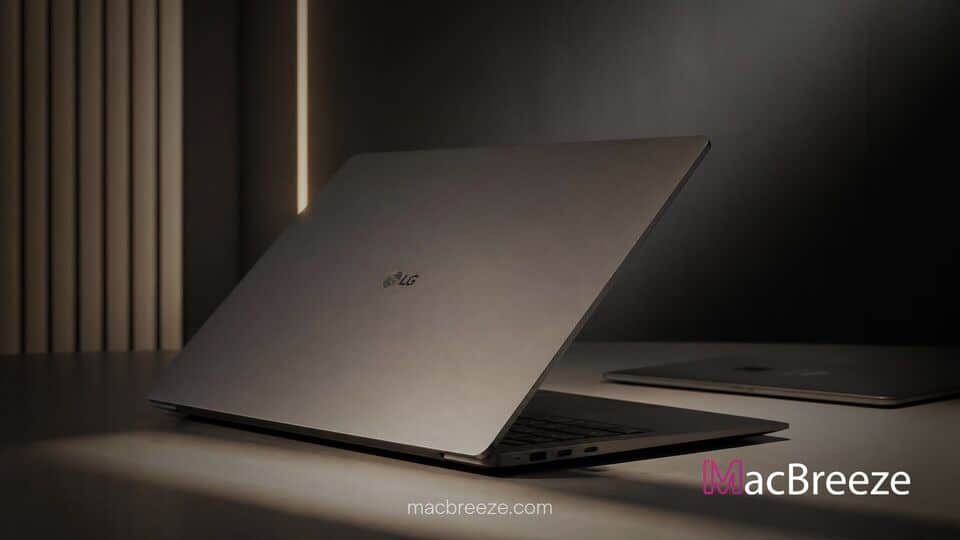
LG Electronics has officially unveiled the Gram Book AI 2026 in South Korea, introducing a lightweight 14-inch notebook packed with Intel's latest silicon architecture. Designed to combine high efficiency with extreme portability, the new laptop directly targets the growing market segment reinvigorated by Apple's entry-level MacBook lineup.
LG Debuts Gram Book AI 2026 in South Korea
The LG Gram Book AI 2026 marks an important expansion in LG's portable computing portfolio. Built with a full-metal aluminum body, the laptop weighs approximately 1.29 kilograms and maintains a slim profile of just 14.9 millimeters. Launching initially in South Korea on September 7, the base model is priced at approximately 1.45 million won (roughly $1,100), placing it squarely in the competitive mid-range ultraportable segment.
Intel Wildcat Lake Chips and Extended Battery Claims
At the heart of the new machine lies Intel's 2026 Core Series 3 architecture, codenamed Wildcat Lake. Built to optimize power distribution and onboard artificial intelligence workloads, the processor platform allows LG to push battery efficiency to new bounds. LG claims the notebook's 61.2Wh battery can deliver up to 30.5 hours of continuous operation on a single charge under light workloads, effectively setting a new benchmark for Windows ultraportables.
How the Gram Book AI Compares to Apple’s MacBook Neo
The release of the Gram Book AI comes as hardware makers scramble to provide direct Windows-based alternatives to Apple's budget-conscious laptop strategies. Earlier this year, Apple reshaped the entry-level computing market by introducing the MacBook Neo, a budget notebook powered by the A18 Pro chip that emphasizes low power consumption and accessible pricing. LG's new machine aims to position itself as a strong LG Gram Book AI MacBook Neo competitor for users who prefer Windows flexibility or need wider port selection.
Battery Performance, Display, and Port Selection
While Apple's MacBook Neo promises all-day efficiency for standard web browsing and document handling, LG's claimed 30.5-hour battery life on the Gram Book AI nearly doubles the listed playback metrics of Apple's budget offering. Furthermore, whereas Apple opted for a minimalist port layout on the Neo, LG has outfitted the Gram Book AI 2026 with a robust selection of physical inputs, including HDMI, USB-C, USB-A, a 3.5mm headphone jack, and a dedicated Ethernet port. This connectivity allows users to work on external displays or wired networks without relying heavily on extra dongles or adapters.
LG has retained physical privacy features like a built-in webcam shutter, appealing to business travelers and students who prioritize hardware-level security. However, LG has yet to detail the exact RAM and storage tiers for global configurations, leaving power users eager to see how memory limits stack up against competing machines.
Impact on the Entry-Level Laptop Market
Industry analysts note that the arrival of Intel Wildcat Lake processors is driving a major wave of lightweight, high-end efficiency laptops across the PC ecosystem. With major brands adjusting their product catalogs, hardware makers are attempting to replicate the power efficiency that Apple Silicon brought to consumer notebooks while offering broader software compatibility.
Rising Competition in Budget macOS and Windows Notebooks
As competition intensifies across both macOS and Windows operating systems, consumers stand to benefit from longer battery runtimes and thinner form factors without sacrificing traditional computer connectivity. While power users seeking heavy media production capabilities still look toward higher-tier setups like the MacBook Pro, machines like the LG Gram Book AI 2026 demonstrate that everyday productivity notebooks are closing the gap in endurance and design execution.
With its South Korean debut underway, technology enthusiasts now await LG's official timeline for bringing the Gram Book AI 2026 to North American and European markets in the coming months.