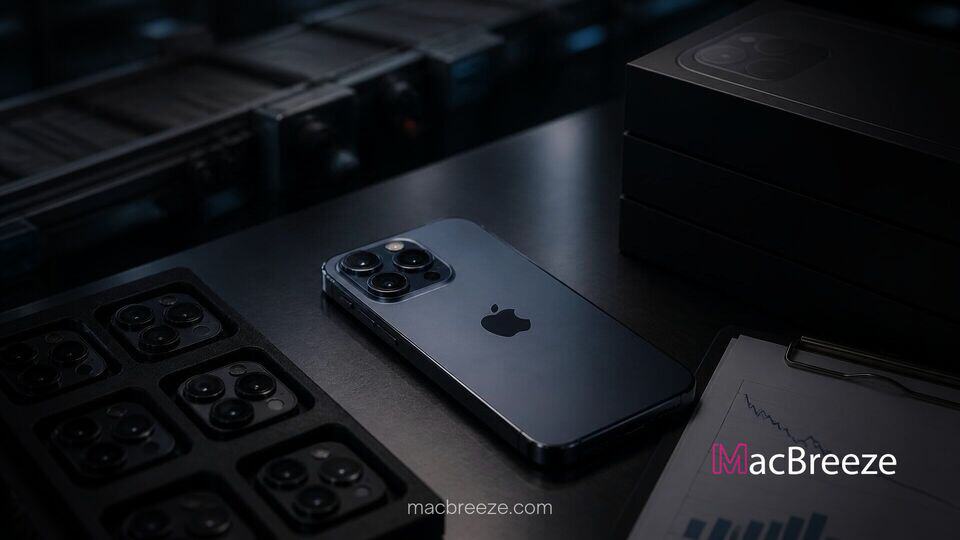
Apple has reportedly instructed several of its key supply chain partners to reduce component manufacturing for the iPhone 18 Pro and iPhone 18 Pro Max. Industry sources indicate that October order volumes have been scaled back between 15% and 20% compared to initial forecast targets.
The strategic adjustment follows a combination of rising component manufacturing costs, elevated retail pricing, and a more cautious consumer outlook. The decision highlights growing supply chain pressures across the consumer electronics landscape as hardware suppliers balance component availability and shifting consumer demand.
Suppliers Report Lowered iPhone 18 Pro Component Volumes
According to supply chain executives, Apple began taking a more conservative approach toward device shipments shortly after its flagship handsets debuted. Multiple component makers report receiving adjusted order schedules for the current quarter, with cutbacks affecting primary structural, display, and camera assemblies. While individual suppliers face varying adjustments depending on manufacturing lead times, the broader downward revision reflects a unified pull-back across primary production lines.
Nikkei Asia Analysis of Supply Chain Adjustments
An investigation by Nikkei Asia revealed that orders for key premium components fell by at least 15% for the month of October compared to original projections. Supply chain sources quoted in the report noted that Apple altered its shipment targets after observing early retail performance metrics following the initial launch wave. An executive at a major supply partner noted that order volume reductions for both top-tier models range between 15% and 20%, adding that visibility into future production adjustments remains limited.
The report underscores that major component suppliers, including primary chip fabrication and display assembly partners, are recalibrating operations to match lowered production runs. Neither Apple nor its primary manufacturing partners have issued formal public comments confirming the specific production figures.
Factors Influencing iPhone 18 Pro Demand and Sales Volume
The reported reduction in production schedules stems from broader macroeconomic challenges and specific market conditions impacting high-end electronics. Consumer appetite for premium smartphones has faced headwind pressure as upgrade cycles lengthen and overall economic uncertainty influences spending habits.
Component Costs, Pricing Pressures, and Market Competition
A primary catalyst behind the market shift involves sharp cost increases across advanced semiconductor components, particularly high-bandwidth memory chips. The surge in global artificial intelligence infrastructure development has redirected significant memory production capacity toward enterprise data centers. This shift created tight supply conditions and inflated bill-of-material costs for consumer device manufacturers.
To offset these rising production expenses, retail pricing for the iPhone 18 Pro series saw a $100 increase compared to previous generation flagships, establishing a higher entry threshold for buyers. Analysts from major financial institutions note that elevated retail price points have heightened demand elasticity risks, leading some prospective upgraders to defer purchases. Market competition has also intensified as alternative hardware form factors, including foldable smartphones like the iPhone Duo, compete for consumer attention in the premium tier.
Additionally, shifting software rollout timelines and regional feature availability have influenced initial buyer enthusiasm. Similar to regulatory delays affecting Siri AI deployment in European markets, localized feature staggered releases can temper immediate demand during initial release windows.
Financial Implications for Apple's Upcoming Earnings Report
While component cuts suggest a slower hardware momentum for the current period, the financial impact on Apple's balance sheet may be partially cushioned by higher selling prices. The $100 price increase per unit across the Pro tier could help sustain overall revenue figures even if unit shipment volume experiences a modest decline.
Wall Street analysts are monitoring these supply chain signals closely ahead of Apple's upcoming quarterly financial results. Investors will look for commentary regarding gross margins, average selling prices, and geographic demand variations. Observers are also watching how supply chain adjustments across hardware divisions, including upcoming OLED MacBook Pro updates and next-generation M6 Mac hardware, will shape the company's broader holiday quarter outlook.
In summary, while Apple's component adjustments reflect supply chain volatility and elevated input costs, the company's premium pricing strategy continues to provide a buffer against potential volume contractions as the market adjusts.