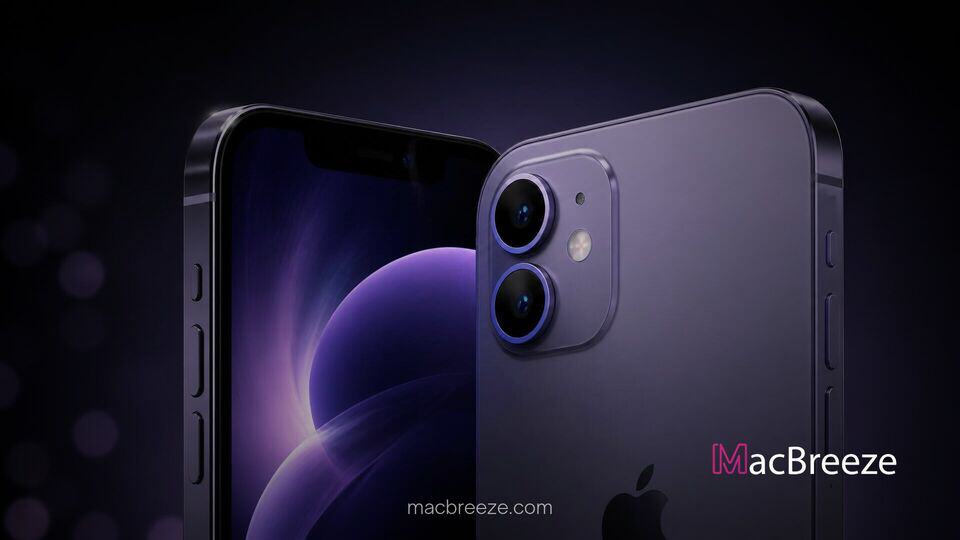
Apple’s newly announced foldable smartphone, the iPhone Duo, marks a massive shift in hardware design, yet early adopting enthusiasts have noted the absence of two flagship mainstays: Face ID and a dedicated telephoto camera lens. According to Bloomberg reporter Mark Gurman, Apple is targeting the third-generation iPhone Duo as the milestone release to finally integrate both technologies.
Writing in his weekly Power On newsletter, Gurman detailed how physical depth limitations compelled engineers to make trade-offs on the inaugural model, relying instead on side-button Touch ID and dual rear camera sensors. Resolving those hardware compromises will require a multi-year effort centered around engineering miniaturization and computational AI enhancements.
Gurman Outlines Upgrade Plans for Third-Gen iPhone Duo
Following the official debut of Apple's foldable iPhone Duo, attention quickly turned to how the premium hardware stacks up against traditional candy-bar flagships. The first-generation foldable measures a thin 5.2mm when opened, creating an internal volume challenge that made incorporating traditional TrueDepth facial scanning arrays and thick periscope zoom mechanisms physically unviable.
To overcome this depth constraint, the debut model relies on a Touch ID sensor embedded directly into the side power button, alongside a dual-camera system featuring a 48-megapixel main sensor and a 48-megapixel ultra-wide lens. While 2x optical-quality cropping is available, true optical telephoto reach remains missing. Gurman notes that bringing back Face ID and adding dedicated optical zoom hardware are currently at the very top of Apple's internal engineering roadmap for future iterations.
Face ID and Telephoto Lens Targeted for Future Foldable
For users accustomed to Pro-tier iPhones, moving to the first iPhone Duo requires adjusting to fingerprint authentication rather than facial recognition. Users dealing with biometric authentication issues on older devices often follow guides on fixing iPhone Face ID not working, but on the foldable hardware, the facial scanning sensors are entirely absent.
Gurman emphasizes that Apple does not intend Touch ID to be a permanent replacement across its ultra-premium lineup. Instead, the company views the current setup as a temporary concession to maintain an extremely slim profile. A dedicated telephoto module requires substantial depth for folded optics, while the dot projector and infrared sensors needed for 3D depth map verification present similar spatial requirements.
Miniaturization and AI Photography to Solve Hardware Limits
To fit complex sensors into ultra-thin displays, Apple plans to rely heavily on software to offset physical component reductions. Gurman predicts that by the third generation, Apple will combine smaller, less sophisticated depth-sensing components with sophisticated machine learning algorithms.
By capturing slightly less raw optical data and reconstructing high-fidelity images or facial maps computationally, Apple can use thinner camera modules and smaller sensor arrays. This approach mirrors Apple's broader push across its product lines, where machine learning handles low-light processing, facial reconstruction, and portrait segmentation.
Strategic Timeline for Apple's Foldable iPhone Hardware
The decision to hold major camera and biometric upgrades until the third-generation release fits Apple's historical multi-year hardware cycle. While software capabilities continue to evolve in early builds—such as reports detailing how iOS code hints Mac Edge Light may expand to iPhone Duo—fundamental hardware architecture shifts require multiple generation cycles.
By pacing out component redesigns over three years, Apple gives its supply chain partners enough runway to develop custom, low-profile optical elements and miniaturized laser emitters without sacrificing structural rigidity or display durability.
Impact on iPhone Duo Buyers and Ecosystem Expectations
For early adopters weighing the purchase of the initial foldable model, Gurman's report clarifies the trade-offs involved. Consumers purchasing the debut generation gain access to an expansive 7.6-inch flexible display, yet they must accept secondary hardware limitations when compared against standard flagship models.
Meanwhile, traditional candy-bar upgrades continue to push independent camera capabilities forward. For instance, users looking for peak camera versatility can explore hardware like the iPhone 18 Pro with variable aperture camera system, which targets mobile photography enthusiasts who prioritize raw image performance over flexible screen designs.
Ultimately, Gurman's outlook suggests that foldable hardware will eventually achieve feature parity with traditional slab-style smartphones. As Apple refines component manufacturing and scales its custom silicon capabilities, future foldable generations are expected to deliver complete flagship feature sets without requiring users to compromise on biometric convenience or long-range camera zoom.