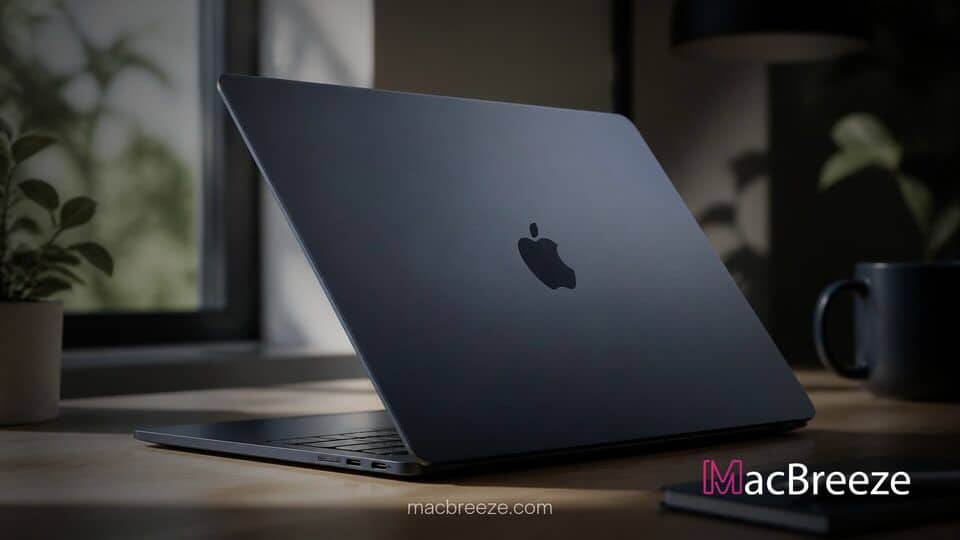
Apple is preparing a multi-stage release strategy for its laptop lineup that will begin with an incremental processor update before delivering a complete hardware redesign. Bloomberg reporter Mark Gurman detailed the upcoming hardware schedule during a Q&A segment on his Power On podcast, revealing that Apple intends to release an M6 processor update for both 13-inch and 15-inch models. That interim hardware release will maintain the current enclosure ahead of a more significant physical overhaul featuring an OLED display expected in late 2027 or 2028.
The planned progression mirrors recent release cycles across Apple's portables, allowing the company to roll out generation-over-generation silicon advancements while finalizing display technologies and internal layouts. Consumer interest remains high around the entry-level and mid-tier laptop tiers, especially as Apple continues developing custom silicon for future Macs.
macbook air m6 oled redesign roadmap
According to Gurman's latest insights, the primary takeaway from the upcoming hardware schedule is a clear separation between processor iteration and display innovation. Apple will first launch an M6-powered refresh using existing casing designs in early 2027, followed by an all-new chassis equipped with an OLED display panel targeted for late 2027 or 2028.
Gurman Outlines Two-Phase Roadmap for Future MacBook Air Models
The reporter explained that Apple views the current MacBook Air aesthetic as reaching the end of its intended operational cycle. First introduced with the M2 generation in 2022 and expanded to include a 15-inch model in 2023, the uniform flat-edge chassis replaced the iconic tapered wedge shape that defined earlier generations. While that structural design has served the line well through successive chip generations, Apple is now gearing up for its next architectural transition.
Industry analysts note that staging hardware rollouts allows production facilities to stabilize yields on new chip nodes before introducing brand-new industrial designs. This approach also helps manage overall component costs. For instance, recent industry reports noted how Apple reconsidered OLED iMac plans over high panel production costs, demonstrating the manufacturer's cautious approach when transitioning flagship products to expensive display panels.
Spring 2027 Chip Refresh Featuring Apple M6 Processor
The first phase of the roadmap focuses on internal performance upgrades. Internally identified under codenames J913 and J915, the upcoming 13-inch and 15-inch laptops are set to arrive in spring 2027. Gurman characterized this release as a traditional chip refresh, retaining the overall form factor, port selection, and liquid crystal display structure of existing models.
These M6 laptops are expected to debut alongside lower-cost entry devices, such as the second-generation MacBook Neo. Beyond speed improvements and architecture refinements inherent to the M6 system-on-chip, external changes for the spring models are expected to remain minimal.
OLED Display and Chassis Redesign Expected for Late 2027 or 2028
The second stage represents a far more fundamental update. Gurman indicated that a major MacBook Air overhaul will follow later in 2027 or slip into 2028, introducing an OLED screen to the lineup. Shifting from traditional LCD panels to organic light-emitting diode technology will deliver deeper black levels, higher contrast ratios, improved energy efficiency, and faster pixel response times.
In addition to display enhancements, the complete redesign is expected to feature a lighter, slimmer aluminum enclosure. This structural update could incorporate design cues from recent premium Mac portables, such as refined bezel geometry and updated camera housing. The update will align the consumer laptop line with display standards set across higher-end device tiers.
How the Upcoming Overhaul Compares to Previous MacBook Air Generations
A multi-stage rollout in a single calendar year or consecutive release windows is not without precedent in Cupertino's supply chain history. A similar dual-release pattern occurred when Apple launched spec-bumped pro laptops early in the year before unveiling a redesigned chassis and advanced display technology several months later.
The MacBook Air line has traditionally undergone complete exterior redesigns every four to five years. The transition from the original wedge silhouette to the flat-edge M2 design represented a major milestone. Adding an OLED panel to the consumer line will mark one of the most substantial visual and functional upgrades in the history of the laptop series.
As display and processor components become increasingly complex, supply chain logistics play a critical role in launch schedules. Recent industry moves show how Apple negotiates multiyear DRAM supply deals with Samsung and SK Hynix to secure crucial components well ahead of major product shifts.
Impact on Current MacBook Buying Strategy for Consumers
For prospective buyers evaluating purchase timing, the two-tier roadmap provides clear guidance based on personal hardware needs. Users looking primarily for computing performance, battery efficiency, and routine platform updates may find the early 2027 M6 refresh to be an ideal upgrade window.
Conversely, shoppers seeking a new aesthetic form factor or the visual performance of an OLED screen may prefer to wait for the late 2027 or 2028 redesign. Because OLED panels generally carry higher production costs, early iterations of the redesigned laptop could carry higher price points or sell alongside existing LCD models to preserve accessible entry-level price tiers.
In summary, Apple's planned laptop trajectory balances steady performance improvements with long-term display evolution. While the upcoming M6 refresh will deliver dependable speed gains inside a familiar chassis, the subsequent OLED overhaul promises to redefine Apple's most popular consumer laptop for years to come.