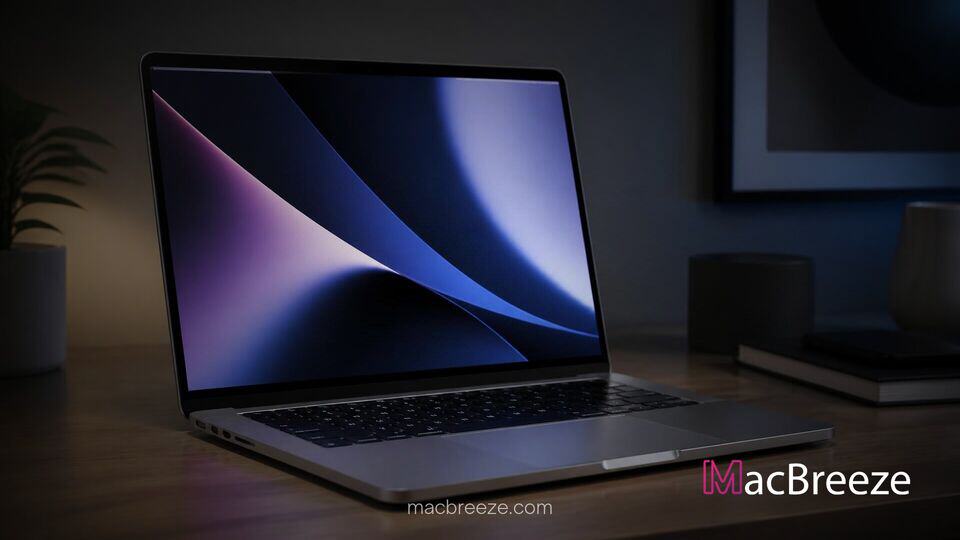
Apple is preparing to update its base 14-inch MacBook Pro with the next-generation M6 processor, extending its custom silicon performance gains to the standard laptop tier. Industry reports indicate that while premium models may pivot toward radical hardware shifts, the entry-level machine will maintain its popular design blueprint alongside enhanced internal capabilities.
The upcoming refresh aims to deliver significant processing efficiency and graphics upgrades for everyday creative professionals, student creators, and business users seeking active cooling performance without stepping up to higher tier price points.
Base 14-Inch MacBook Pro Set to Receive M6 Processor Upgrade
The standard m6 macbook pro 14 inch entry level machine represents a vital bridge in Apple's portable lineup, providing enterprise grade cooling and port selection at a lower initial cost than its Pro and Max counterparts. Industry analysts project that the standard M6 variant will be manufactured on TSMC's cutting edge 2-nanometer node, marking a major architectural step forward from previous silicon generations.
By transitioning to this advanced fabrication process, Apple aims to increase transistor density substantially. Users can expect higher clock speeds across both performance and efficiency cores, alongside reduced thermal output under sustained workloads. As Apple continues to expand local artificial intelligence functionality across operating systems, hardware developments such as the macOS local foundation models integration will benefit directly from the updated Neural Engine embedded in the M6 silicon.
Performance Expectations for Next-Gen Apple Silicon
The base M6 chip is anticipated to sport an upgraded central processing unit configuration paired with enhanced graphics processing capabilities. Architectural refinements are expected to focus heavily on unified memory bandwidth and hardware-accelerated ray tracing performance, narrowing the gap between entry professional hardware and desktop-class workstations.
Energy efficiency remains a central focus of the M6 development effort. Early estimations indicate that notebook configurations utilizing the standard M6 chip could achieve additional operational battery life during typical web browsing and media editing tasks. Enhanced video decode engines will also streamline multi-stream 4K and 8K workflows, allowing compact systems to maintain high performance without triggering aggressive cooling fans.
Lineup Segmentation Between Standard and Touchscreen OLED Models
Apple appears to be establishing a clearer distinction between its entry-level hardware and premium tier configurations. While higher end editions are rumored to introduce redesigns incorporating touch capability and display enhancements, reports suggest the standard 14-inch MacBook Pro will retain its current Liquid Retina XDR mini-LED screen to keep consumer price targets accessible.
This hardware strategy mirrors past product rollouts, where base models preserve existing, highly capable chassis designs while internal components receive generational upgrades. Buyers interested in flagship display innovations can look to the redesigned touchscreen MacBook Pro options, whereas standard users will continue to benefit from trusted physical keyboards, full port selections, and bright mini-LED displays.
Market research points toward strong consumer demand for entry level professional hardware. Supply chain shifts reflect this trend as display manufacturers reallocate production lines, a transition detailed in recent reports regarding mini-LED screen shipment changes across the broader laptop market.
Expected Launch Timeline and Pricing Outlook
Supply chain sources suggest that Apple plans to unveil its updated M6 computing lineup in late 2026. This timing aligns with production schedules for TSMC's 2nm chip manufacturing facilities. The entry-level 14-inch MacBook Pro is expected to remain priced at its traditional starting point, offering 16GB of unified memory as a standard baseline to support demanding operating system tasks and background AI features.
Industry observers note that keeping starting prices stable is essential for maintaining market momentum. As tracked in recent context regarding Apple's PC market performance, retaining affordable access points across portable Mac segments has allowed the manufacturer to sustain consistent hardware adoption across higher education and corporate sectors.
Prospective buyers waiting to update their machines can monitor upcoming announcement announcements, such as the special Apple media showcase events, where new hardware roadmap updates are formally presented to the public.
In summary, the planned entry-level 14-inch MacBook Pro refresh with the M6 chip highlights Apple's effort to keep its core professional lineup updated with cutting edge silicon performance. By balancing high end processor architecture with a proven hardware design, Apple continues to provide a dependable, powerful portable workstation for everyday creators and mainstream professional users.