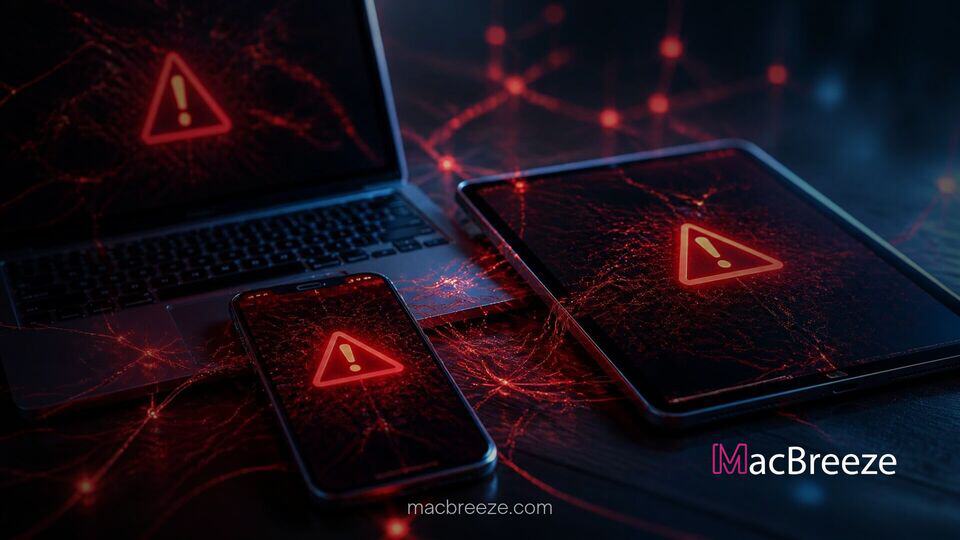
A sophisticated web supply-chain breach has turned legitimate scripts on over 170 top-tier websites into delivery vectors for malicious code targeting mobile and desktop visitors. Cybersecurity researchers revealed that compromised scripts served through the Optimizely Web experimentation platform attempted to drop zero-click iOS exploit kits onto Apple devices while skimming financial information and swapping cryptocurrency addresses.
iPhone and iPad Web Malware via Optimizely Breach Drops Zero-Click Exploits
The security incident, which unfolded on November 16, 2026, targeted the popular digital experience and experimentation provider Optimizely. Attackers exploited a vulnerability within the platform's Project JavaScript feature, allowing unauthorized code to be embedded directly into custom scripts loaded across customer websites. Because these scripts were delivered directly from Optimizely's trusted content delivery network, visitor web browsers routinely executed the payload without triggering standard domain blocklists.
Security research group Report URI discovered the malicious activity after finding tampered JavaScript files across 188 individual snippets used by 178 major organizations. High-profile web properties affected by the attack included Zoom, the BBC, CNN, Salesforce, IKEA, HSBC, Equifax, and GitLab. While desktop users faced payment card skimmers and cookie hijackers, iPhone and iPad users visiting these destinations were targeted with sophisticated iOS exploit chains.
Web Attack Vector Exploits Third-Party Scripts
Modern websites rely heavily on third-party JavaScript libraries to handle analytics, user tracking, and dynamic layout testing. In this instance, the attackers did not breach the individual victim organizations or compromise Apple's operating system servers. Instead, they inserted a lightweight script loader into Optimizely customer configurations.
When an iPhone or iPad user loaded an affected webpage, the injected script silently profiled the browser environment. If an outdated version of iOS or iPadOS was detected, the script attempted to trigger known system exploits. Security flaws exploited through web components highlight the ongoing challenges facing mobile browser sandboxing, especially when trusted domains serve corrupted instructions. Similar concerns over device privilege boundaries were recently discussed when Binance warned of an iOS flaw exposing private keys in sideloaded apps.
How Malicious Code Targeted iOS and iPadOS
According to technical analysis of the attack payload, mobile browser sessions were evaluated to deliver specific zero-click exploit kits known in the research community as DarkSword and Coruna. These exploit packages chain multiple security vulnerabilities to bypass Safari sandbox controls and gain elevated privileges on unpatched Apple devices.
If successful, these exploits can allow remote attackers to extract sensitive application data, steal session cookies, or gain persistent access to the hardware. While modern operating system hardening measures significantly reduce the attack surface, unpatched devices remain susceptible to chained web-based exploits. Apple has continued to bolster device defenses across recent releases, such as when Apple released iOS 27.2.1 and iPadOS 27.2.1 to patch iMessage flaws and other core framework vulnerabilities.
Scope of Affected Sites and Exploit Kits
The breadth of the attack spans multiple sectors, including news portals, financial services, digital retailers, and SaaS platforms. In addition to targeting iOS devices, the injected malware kit possessed multi-purpose capabilities designed to maximize attacker revenue:
- Cryptocurrency Address Swapping: The script dynamically searched page content, input forms, and system clipboards to replace legitimate wallet addresses with attacker-controlled destinations.
- Digital Card Skimming: Form fields on non-iframe checkout pages were monitored to grab entered credit card numbers, security codes, and billing details.
- Session Data Theft: Active browser cookies and screen captures were exfiltrated to remote command-and-control servers.
- iOS Exploit Delivery: Visitors using vulnerable mobile devices were silently redirected to payload servers executing DarkSword and Coruna exploit routines.
Optimizely released an official statement confirming the security breach, explaining that an unauthorized party exploited a flaw in its Experimentation platform. The company stated that it acted quickly to contain the vulnerability, remove the tampered JavaScript from customer projects, and bolster protections to prevent future unauthorized code injection.
"The important lesson here is that trusted JavaScript doesn't always remain trustworthy," noted Scott Helme, security researcher at Report URI, in a published post detailing the breach. "A website can be compromised through a third-party dependency without its own code or infrastructure ever being breached."
Steps for iPhone and iPad Users to Stay Protected
For everyday mobile users, supply-chain attacks delivered via legitimate websites are difficult to spot because web addresses and security certificates appear completely authentic. However, device-level security controls offer strong protection against secondary payloads like exploit kits.
Security experts strongly advise all iPhone and iPad owners to verify that their devices are running the latest software updates. Software patches address the underlying memory vulnerabilities that exploit kits rely on to execute unauthorized code. Users seeking extreme protection against WebKit-based attack vectors can also enable Lockdown Mode, a native defense feature that strictly limits web assembly and script execution. While extreme, security researchers previously demonstrated complex attacks when security researchers demonstrated the first jailbreak on an iPhone in Lockdown Mode, proving that keeping core operating systems updated remains the primary line of defense.
Additionally, privacy-focused controls built into modern mobile platforms help users isolate apps and manage permissions. For instance, iOS 27.2 adds new app exclusion and privacy controls for Siri and local services, emphasizing granular control over system data access. Third-party browser apps also offer built-in protections, such as when Opera One for iOS adds its signature Data Saver feature to reduce iPhone data usage and compress script payloads.
As web architectures continue to rely heavily on remote scripts and third-party services, security analysts emphasize that enterprise websites must enforce strict Content Security Policies (CSP) to limit where external scripts can connect. For iPhone and iPad users, maintaining updated system software remains the most effective defense against silent, web-based exploit attempts.