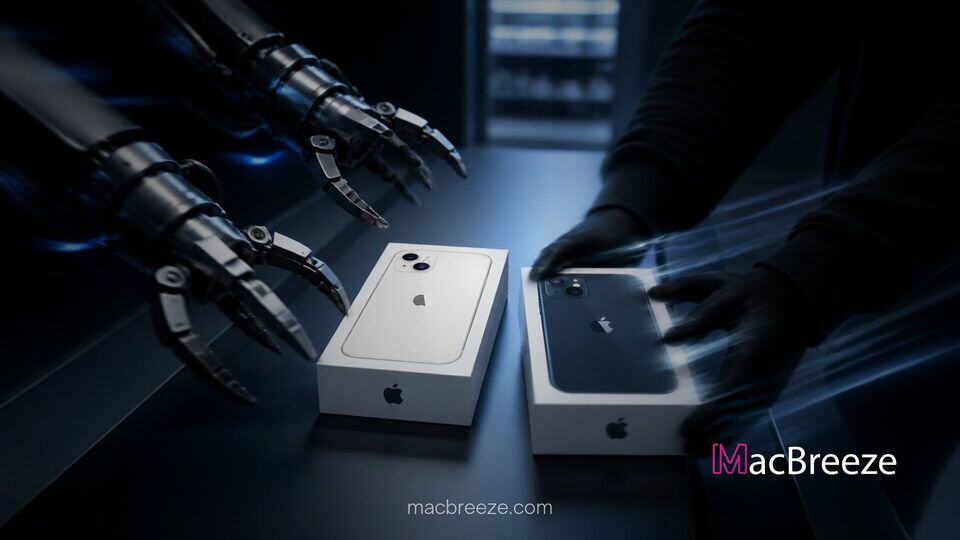
Automated checkout software and secondary market resellers bought up opening allotments of Apple's flagship foldable device within moments of pre-orders going live across global storefronts. Buyers attempting to complete online purchases encountered immediate stock outages, with shipping estimates pushing back weeks within the first minute of availability.
Industry monitoring groups report that specialized bot networks targeted both official carrier channels and third-party electronics retailers to bypass waiting queues. The sudden depletion of stock leaves direct consumers facing extended wait times while marked-up listings populate resale platforms online.
Scalper Bots Drive Severe Stock Shortages for iPhone Duo
Automated software tools targeting high-demand consumer electronics rapidly cleared online inventories across major markets as pre-orders opened. Bot traffic intercepted available checkout slots before manual users could complete verification steps, resulting in instant stockouts for popular configuration options.
How AI Automation Is Snatching Online Retail Inventory
Modern scalping operations utilize machine learning algorithms designed to bypass human verification challenges, such as reCAPTCHA and queue management systems. These applications auto-fill credit card information, complete multi-step checkout processes, and generate thousands of purchase requests per second across multiple regional storefronts simultaneously.
Cybersecurity firms monitoring online retail traffic noted an unprecedented volume of synthetic requests aimed directly at high-demand checkout endpoints. Industry analysts like Bloomberg's Mark Gurman previously noted that Apple's pre-order rollout strategy left retail distribution vulnerable to extreme supply imbalances, making automated hoarding significantly easier for organized scalping networks.
Impact on Apple Store Walk-In Customers and Queues
The rapid depletion of digital allocations has cascaded directly down to physical retail operations. With digital inventories completely exhausted before launch day, physical locations are seeing altered operational protocols to prevent standard walk-in crowding.
In response to the online scarcity, Apple retail stores advised buyers against walk-in attempts without a confirmed reservation, confirming that unreserved launch day units will be virtually nonexistent across primary market flagships. Customers hoping to pick up hardware in person are being redirected back to digital waiting lists, where delivery windows continue to stretch deeper into the quarter.
Apple Response and Supply Chain Challenges for the Foldable
The severe inventory shortage stems from a combination of aggressive secondary market automated purchasing and intricate manufacturing constraints unique to the device's hardware design. Specialized components, including dual-display assemblies and dynamic hinge mechanisms, present lower initial yield rates compared to standard smartphone chassis designs.
Official statements from corporate leadership acknowledged the tight inventory situation while pointing to record consumer interest. Company representatives confirmed extraordinary pre-order demand for the iPhone Duo, with early shipping estimates slipping well into the upcoming calendar year across multiple tiers.
To curb fraudulent buying activity after initial checkout, Apple has implemented strict purchase limits of two units per customer ID online. The company is also leveraging physical fraud prevention mechanisms across logistics chains; recently, Apple deployed in-box diagnostic scanners to combat return fraud, targeting organized reseller syndicates attempting to exploit retail return channels with altered return boxes.
What Buyers Need to Know When Searching for Stock
Consumers looking to secure a unit without paying exorbitant markup fees on peer-to-peer auction sites are advised to monitor official carrier restocks rather than unverified reseller channels. Wireless carriers often receive separate inventory allotments that refresh independently of Apple Store direct availability.
Market analysts project that overall market share for the foldable form factor will expand significantly over the coming product cycles as yield rates stabilize. According to recent forecasts from research firms like TrendForce, the iPhone Duo is projected to capture 30% of the foldable market over the next few years, signaling that long-term production runs will eventually align with consumer demand.
For now, potential buyers should remain patient and utilize push-notification stock trackers to catch legitimate online restocks as manufacturing facilities work to fulfill backordered queue numbers.