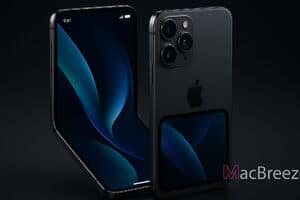
Apple announced a major structural and software overhaul for its flagship smartphone display interface during its annual autumn hardware keynote. The new flagship features a redesigned cutout area engineered to handle more real-time information with minimal user intervention.
By shrinking the physical hardware footprint of the sensor array while expanding its software layout capabilities, Apple enables users to stay informed without needing to jump between background applications continually.
iPhone 18 Pro Introduces a Smaller Upgraded Dynamic Island
The headline modification to the front display architecture on the newly announced device centers around a hardware shrinkage that delivers a more compact interactive region. During the official presentation, Apple confirmed that the physical footprint of the Face ID camera assembly has been reduced, giving display space back to the user interface. Apple debuts iPhone 18 Pro with variable aperture camera system alongside this redesigned display cutout, highlighting how hardware refinement across the device elevates day-to-day usability.
Despite taking up less physical room at the top of the OLED panel, the interactive area boasts greater information density than ever before. Kaiann Drance, Apple's Vice President of iPhone Product Marketing, noted that the component was redesigned to be smaller, more useful, and significantly better for reviewing live information at a quick glance.
Simultaneous Tracking for Up to Three Live Activities
Since its original debut on the iPhone 14 Pro, the pill-shaped interface was capped at displaying a maximum of two background tasks at any single moment. When a user started a third active process, such as a sports score tracker, the system automatically pushed one of the active sessions off the visible island, relegating it solely to the Lock Screen or Notification Center.
With the new design, the display system expands to support three concurrent processes simultaneously. Rather than stretching across the entire width of the screen, the main task occupies the central interactive focus, flanked on either side by smaller circular icons representing secondary and tertiary processes. This layout allows users to monitor multiple ongoing tasks without sacrificing valuable screen area for active apps beneath the island.
How the Redesigned Dynamic Island Enhances Daily Multitasking
For power users who rely heavily on real-time widgets, the expansion directly addresses a long-standing constraint of iOS multitasking. A user can now monitor a timer, track a rideshare or food delivery order, and check live sports scores simultaneously. Each icon acts as an interactive portal, letting users tap directly into the app or press and hold to expand detailed controls without switching contexts.
The underlying software optimizations arrive as part of the broader system updates debuting alongside the hardware. As detailed in recent platform announcements, including how Apple confirms iOS 27 release date for September 14, the operating system manages system resource distribution to ensure these multiple live updating widgets operate smoothly without impacting battery life or interface fluidity.
This approach build upon recent software enhancements that streamline how devices share contextual data across the ecosystem. For instance, features like iOS 27 beta introduces iPhone Handoff demonstrate Apple's ongoing focus on reducing friction when users jump between active tasks and devices throughout their workday.
Supported Apps and Hardware Requirements
The upgraded display feature leverages Apple's ActivityKit framework, meaning developers do not need to rebuild their existing widgets from scratch. Any third-party software that currently supports Live Activities, from travel countdown apps like Flighty to delivery platforms like DoorDash, will automatically integrate into the three-slot hierarchy managed by the system software.
However, the hardware required to run three simultaneous activities remains exclusive to the latest flagship devices. Because the tighter layout relies on the reduced Face ID sensor footprint and specific panel drivers, the expanded three-slot view is restricted to the new flagship lineup. Other devices receiving software updates will continue to utilize the standard two-activity view within their existing pill cutouts.
As smartphone software increasingly shifts toward ambient, contextual information delivery, this hardware and software refinement highlights Apple's strategy of turning screen cutouts into functional productivity tools. Pre-orders for the flagship devices open this week, with full store availability arriving alongside the public release of the new operating system software.