Software developers analyzing the latest developer preview release have uncovered internal system files that point toward a brand-new hardware category in Cupertino's pipeline. References discovered in the underlying framework code describe a dedicated home display powered by a specialized interface reminiscent of watchOS on a much larger scale.
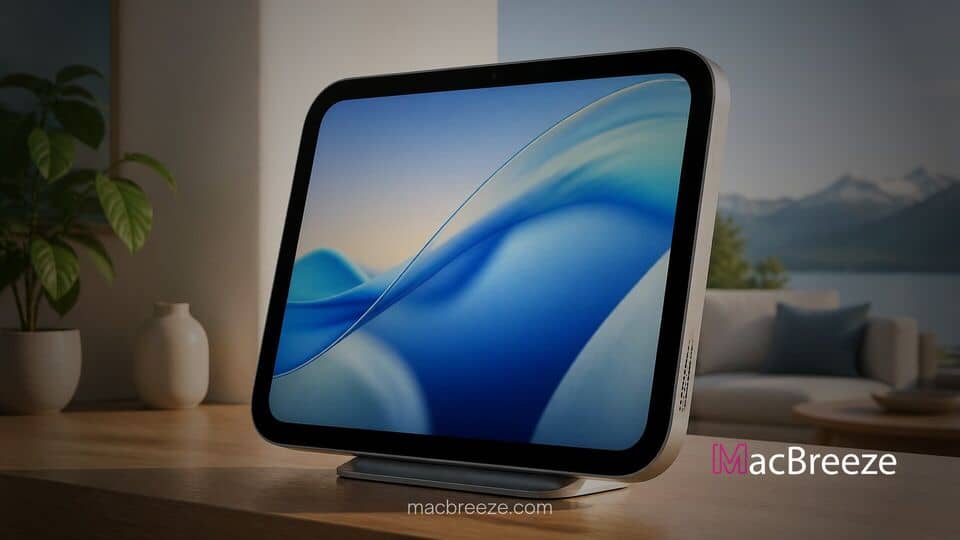
This discovery provides concrete evidence that Apple is actively consolidating its software foundations to support an ambient smart display. The hidden system components suggest that the rumored HomePad will blend familiar watch faces, glanceable widgets, and home automation controls into a singular hub designed for tabletop or wall-mounted placement.
macOS Tahoe 26.7 Beta HomePad Code Signals a New Hardware Era
The discovery of the macOS Tahoe 26.7 beta HomePad code provides a fascinating look into how Apple plans to bridge its existing operating systems for an entirely new form factor. Rather than building a smart display operating system entirely from scratch, engineers appear to be leveraging cross-platform assets and framework bindings shared across macOS, iOS, and tvOS. The internal beta includes hidden references to a display device profile configured to run custom clock faces, modular layout configurations, and interactive widget tiles.
According to developer logs extracted from the beta build, the system architecture references unique view controllers that handle large-format touch inputs, localized proximity sensing, and multi-user authentication. These software stubs directly reference hardware configurations that do not match any existing iPad, Mac, or HomePod model currently on the market. Instead, the code defines a dedicated display asset designed to remain stationary while providing immediate glanceable info to anyone passing by in a living room or kitchen environment.
Inside the macOS Tahoe 26.7 Beta HomePad References
A deep dive into the hidden system frameworks contained within the beta build reveals explicit references to internal codenames long associated with Apple's smart home display initiatives. The assets detail unified background services that handle media playback, Siri interaction states, and real-time HomeKit sensor data overlays. These framework components are structured to run light system processes that render instantly without requiring a full desktop or tablet operating system initialization sequence.
Furthermore, the string files embedded within the macOS build point to advanced sync mechanisms. A paired primary device, such as a Mac or iPhone, can push configuration preferences, personal calendars, and ambient photo albums directly to the HomePad target device. This design strategy mirror how the Apple Watch relies on iOS for heavy setup duties while maintaining independent local playback and control capabilities once deployed on a local network.
tvOS Roots and the Giant Apple Watch Interface
One of the most notable technical findings within the codebase is the hybrid software composition of the proposed interface. System architecture files reveal that while the device shares underlying asset pipelines with macOS and iOS, the graphic renderer relies heavily on modified tvOS frameworks paired with watchOS UI patterns. This hybrid structure allows the software to display oversized, high-contrast digital watch faces alongside customizable complications scaled up for distant viewing.
Developers examining the layout assets note that the interface uses circular and modular widget templates that closely resemble watchOS complications, scaled up significantly to fit a display measuring anywhere from 6 to 7 inches, or even larger secondary screen variants. The system incorporates large digital clock typographies, circular ring graphics for activity and home metrics, and simple touch targets optimized for quick interactions from an arm's length away. By bringing these scaled-up watch faces to an ambient home screen, users can check the time, monitor security cameras, and review outdoor weather conditions in a familiar visual language.
Widgets Face Gallery and Proximity Privacy Features
The macOS Tahoe 26.7 beta framework also details a brand-new face customization gallery designed specifically for home environments. Users will reportedly be able to swipe through custom faces optimized for different rooms in the house. A kitchen face might focus on timers, recipe shortcuts, and family lists, while a bedside configuration shifts into a dimmed nightstand display showing upcoming alarms, ambient audio controls, and soft lighting toggles.
To address privacy concerns in communal living spaces, the code outlines a dynamic visual presentation mechanism that changes based on user proximity. When internal ultra-wideband or optical sensors detect a user moving closer to the device, the display automatically transitions from a simplified glanceable watch face to a detailed interactive dashboard. If no user is nearby, the system hides personal calendar details, unread notification counts, and sensitive health alerts, ensuring that private information remains protected when guests or non-authorized household members are in the room.
Expected Form Factors and Future Smart Home Lineup
Industry analysts and supply chain observers have long speculated about Apple's plans to expand its presence in the smart home space. For years, the company has competed using the screenless HomePod and HomePod mini, alongside the Apple TV set-top box. However, competitors have dominated the dedicated smart display market by offering interactive tabletop screens that act as visual command centers for connected appliances.
The code strings uncovered in macOS Tahoe 26.7 align closely with reports suggesting Apple is developing two distinct smart home display models. The first is an entry-level, low-cost smart display designed to compete directly with basic home hubs. This device is expected to feature a square or rectangular screen mounted atop a compact speaker base, making it suitable for nightstands, countertops, and side tables. The second, more ambitious concept reportedly involves a premium smart display mounted on a robotic arm capable of rotating to follow users around a room during FaceTime video calls and interactive smart home tasks.
Technology industry analyst Mark Gurman has previously reported that Apple intends to unify its home strategy under a streamlined operating system architecture, tentatively referred to in software circles as homeOS. The presence of these device profiles within macOS Tahoe 26.7 suggests that the foundation for homeOS is being tested across Apple's broader ecosystem, ensuring seamless handoff, airplay streaming, and central management across all user devices.
While Apple has not officially announced the HomePad hardware, the presence of fully formed view controllers, face galleries, and dynamic widget layouts inside developer beta builds strongly indicates that product development has reached an advanced stage. As testing continues on macOS Tahoe 26.7, additional details regarding hardware specifications, sensor configurations, and launch timelines are expected to emerge from future beta iterations, paving the way for Apple's official entry into ambient smart displays.