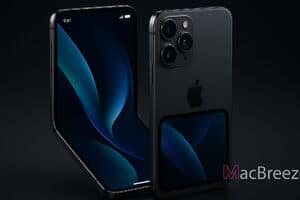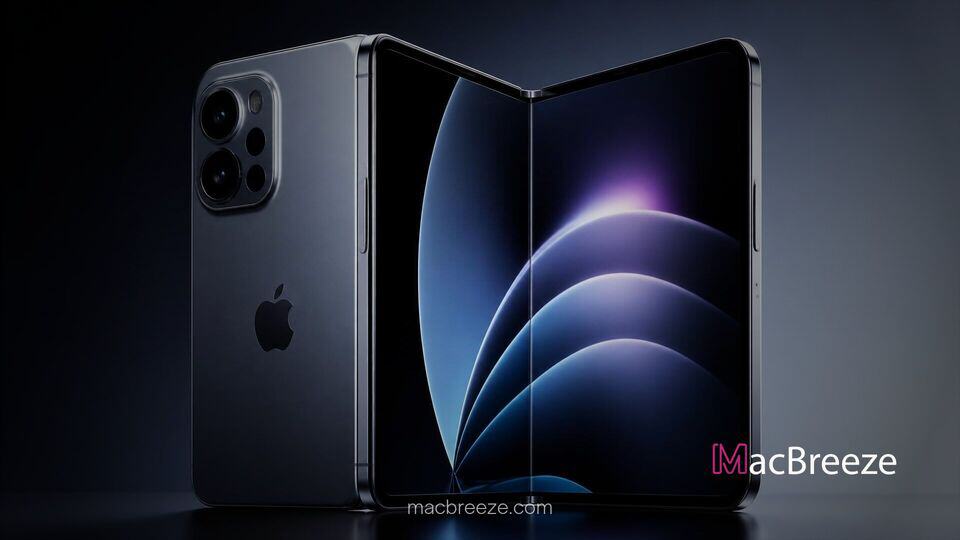
Early feedback on Apple's upcoming entry into the foldable smartphone segment suggests the tech giant has crafted a compelling form factor that addresses long-standing industry challenges. Hands-on impressions from early testers indicate that the device, widely expected to be marketed as the iPhone Ultra, delivers a robust hinge mechanism and fluid software experience, though it requires specific hardware compromises.
Reports surrounding pre-release testing point to a book-style folding architecture that offers substantial screen real estate while maintaining everyday portability. However, prospective buyers expecting a flawless feature list alongside a premium price tag may have to adjust their expectations regarding photography and biometric security options.
iPhone Ultra Foldable Early Test Details Highlight Design and Performance
According to initial reports detailing the iPhone Ultra foldable early test details, individuals who have engaged with early engineering units praise how easily the device fits into a standard pocket when folded shut. The physical footprint appears to balance external compactness with internal utility. When closed, the phone offers a usable cover screen, while opening it reveals an expansive interior display measuring approximately 7.8 inches.
Software integration has drawn particular acclaim during early testing phases. Apple has reportedly adapted its mobile operating system to incorporate iPad-style multitasking layouts, taking full advantage of the larger canvas. Testers noted that split-screen application arrangements, enhanced document editing, and expansive media consumption feel natural and responsive on the internal display.
Early Testers Praise iPhone Ultra Hinge and Form Factor
A primary point of focus for any foldable handset is structural integrity, an area where Apple appears to have invested heavily. Early testers highlighted the feel and perceived durability of the advanced hinge assembly. Reports indicate that the mechanism operates smoothly without feeling loose or overly rigid, offering a secure sensation when snapping the phone open or shut.
Engineers have reportedly focused on reducing the visibility and tactile presence of the central display crease. While absolute seamlessness remains a challenge across the industry, early feedback suggests the central bend on the internal screen is minimal enough to avoid distracting users during typical browsing, reading, or video playback sessions.
iPad-Style Layouts and Camera Viewfinder Functionality
The large inner display provides functional benefits that extend directly into photo and video capture workflows. Early testers reported that using the unfolded screen as a camera viewfinder provides an exceptionally clear framing experience. Subject tracking, exposure previewing, and composition checking are significantly easier on a display of this scale compared to standard rectangular flagship phones.
Additionally, software optimizations allow users to view recently captured shots on one side of the screen while keeping the live viewfinder active on the other. This dual-panel interface mirrors productivity setups typically found on tablets like the iPad, streamlining the photography workflow for power users.
Key Hardware Tradeoffs: Missing Telephoto Lens and Face ID
Despite positive marks for design and software execution, early reports reveal notable omissions in the device's hardware package. The most prominent limitation is the absence of a dedicated telephoto camera lens. Instead of the triple-camera array found on Apple's Pro-tier models, the foldable is expected to ship with a dual-camera system consisting of a 48-megapixel primary sensor and an ultra-wide sensor.
This means users will lack optical zoom capabilities, relying instead on digital crop techniques for magnified photography. For an ultra-premium device, the decision to leave out a telephoto sensor may draw criticism from mobile photography enthusiasts who depend on dedicated optical focal lengths.
Another significant compromise involves biometric authentication. Rather than incorporating the true-depth sensors required for Face ID, the foldable model is expected to utilize Touch ID integrated directly into the side power button. Reports suggest this hardware shift was necessary to achieve an extremely thin profile when unfolded, keeping the open chassis around 4.5 millimeters thick.
Expected Price, Production Schedule, and September Announcement
The prospective positioning of the device places it at the very top of Apple's consumer electronics portfolio. Industry projections indicate a starting price between $2,000 and $2,500, depending on storage configurations. At this level, the phone acts not only as a commercial product but also as a technological halo model for the broader brand lineup.
Apple is expected to officially introduce the foldable smartphone alongside its upcoming standard flagship launch cycle. Industry analysts anticipate a reveal during the annual September keynote event, where the device will share the stage with next-generation Pro models.
While the absence of a telephoto lens and Face ID presents a departure from traditional flagship feature sets, the combination of durable hinge engineering, pocketable sizing, and optimized software offers a unique experience. As official announcements approach, market reaction will largely depend on whether consumers view the innovative foldable experience as a worthy trade for standard Pro-level features.