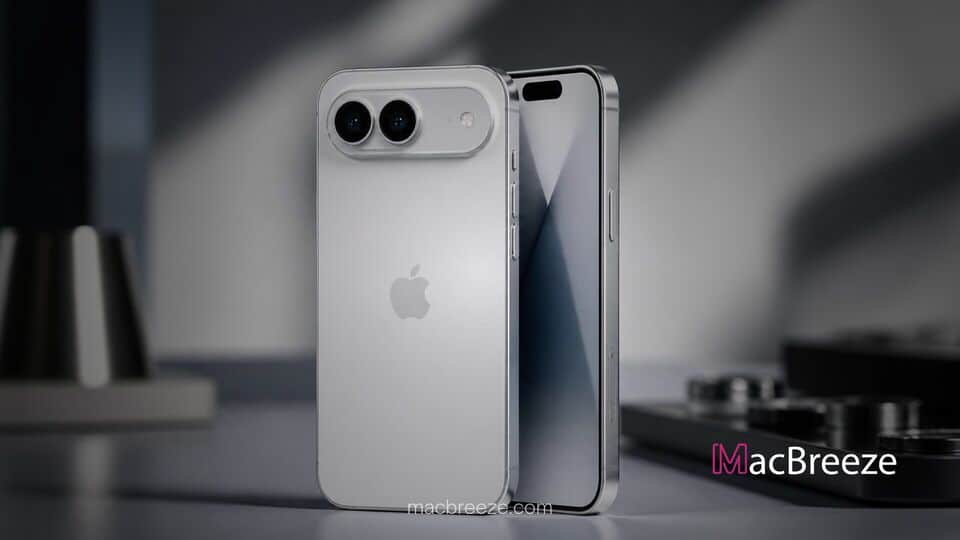
Newly leaked physical dummy units of the second-generation iPhone Air have surfaced online, showing a significant visual and functional overhaul to the ultra-thin smartphone's rear camera layout. The aluminum replica models indicate that Apple is addressing one of the primary criticisms of the original release by introducing a second rear camera lens.
Photos shared by serial hardware leaker Sonny Dickson showcase non-functional mockups used primarily by accessory manufacturers to design protective cases before an official device launch. The images detail a side-by-side camera configuration set within a broad, raised plateau, marking a clear departure from the single camera lens featured on the first-generation chassis.
iphone air 2 dummy leak dual camera reveal highlights hardware overhaul
The leaked dummy units reveal that the iPhone Air 2 features two rear camera sensors positioned horizontally inside a prominent top-mounted bar, resolving a major limitation of the original ultra-thin concept. While the previous generation relied entirely on a solitary 48-megapixel main camera sensor, the updated layout allocates dedicated space for a secondary lens, which supply chain reports suggest will be a 48-megapixel ultra-wide camera.
Leaked Dummy Units Offer First Look at iPhone Air 2
Dummy units are physical models crafted using exact dimensional blueprints exported directly from Asia-based manufacturing facilities. Case manufacturers rely on these precise metal forms to test dimensions, button cutouts, and camera bump clearances long before retail units enter full commercial production.
The newly leaked physical mockups provide the clearest visual confirmation to date regarding Apple's revised structural chassis. The images show that while the overall footprint remains focused on an exceptionally slim form factor, the rear camera island retains its characteristic horizontal band while expanding its internal layout to house more optical hardware.
Side-by-Side Dual Rear Camera Lens Configuration
The specific arrangement on the iPhone Air 2 dummy unit shows two camera circular apertures sitting side-by-side along the left side of the raised camera island. The accompanying LED flash assembly and rear-facing microphone noise-cancellation pinhole are situated to the right of the dual lenses, balancing the layout across the top bar.
This side-by-side lens layout closely mirrors the aesthetic language seen in recent mobile hardware developments across Apple's portfolio, including foldable form-factor prototypes like the iPhone Duo. Integrating a second sensor without vastly increasing the vertical thickness of the camera island indicates Apple optimized the interior optical stack for spatial conservation.
Comparing iPhone Air 2 with Base iPhone 18 Mockups
Alongside the slimline model, the leaked image set included a dummy unit corresponding to the base-model standard iPhone 18. A side-by-side visual analysis highlights distinct strategic choices across Apple's upcoming entry-tier and mid-tier product lines.
While the iPhone Air 2 adopts an extended horizontal camera band, the base iPhone 18 dummy model maintains a vertical pill-shaped camera module nearly identical to its predecessor. This indicates that Apple is purposefully separating visual design languages between its standard glass-and-aluminum devices and its ultra-thin titanium chassis lines.
Internal hardware shifts across the broader line also reflect distinct engineering targets. Industry disclosures regarding DRAM supply deals and thermal management suggest that higher-end thin devices require unique system architecture choices to balance power draw with tight spatial constraints.
Addressing Single-Camera Limitations of Previous Generation
When Apple introduced the original iPhone Air, tech reviewers and consumers praised its thinness and lightweight build, but many criticized the decision to include only one rear camera sensor. The absence of an ultra-wide angle view limited creative photography choices compared to standard models sold at similar price tiers.
By adding an ultra-wide sensor into the second-generation iteration, Apple resolves the primary hardware trade-off of the original device. The dual setup allows users to capture expansive landscape shots and utilize macro capabilities without needing to upgrade to a heavier Pro model.
Launch Expectations for Spring 2027
The arrival of accessory dummy models during this stage of the manufacturing cycle strongly aligns with Apple's revised hardware release calendar. Reports regarding an iPhone launch delay indicated a split launch cadence, shifting standard and Air models away from late-fall announcements into early spring windows.
Supply chain analysts project that display panel manufacturing and mass assembly for the iPhone Air 2 will ramp up early in the new year, pointing toward an official unveiling in the spring. Beyond the dual-camera configuration, rumors indicate the device may include an A20-series processor, enhanced thermal efficiency, and minor reductions in bezel dimensions around the display.
The leaked dummy units offer solid evidence that Apple is refining its ultra-thin smartphone platform. By resolving the original model's single-camera limitation while maintaining a thin profile, the iPhone Air 2 appears poised to offer a more complete balance of sleek ergonomics and mobile photography performance.