Apple is reportedly working on a comprehensive structural overhaul for the iPhone's notification ecosystem ahead of next year's major software cycle. According to early supply chain rumors and developer reports, the upcoming system update aims to declutter incoming alerts and rethink how users interact with lock screen information.
The proposed changes represent one of the most significant visual and functional adjustments to iOS in recent years. By targeting long-standing user complaints regarding alert fatigue, Apple appears focused on making push notifications and real-time widgets more intuitive to process throughout the day.
Reported iOS 28 Notification System Overhaul
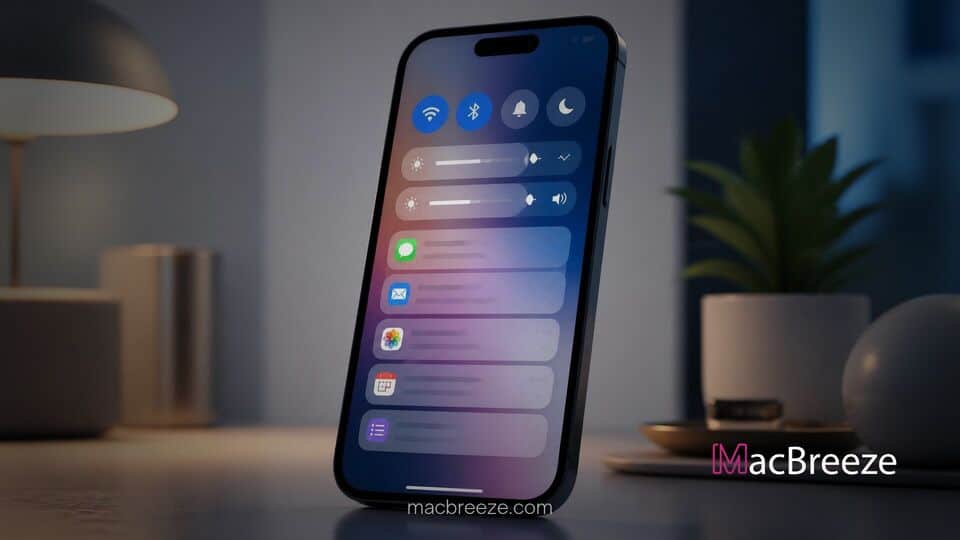
The focus of the reported development efforts centers heavily on an early ios 28 iphone notification center redesign. Industry insiders suggest that Apple software engineers are rebuilding the notification delivery architecture from the ground up to minimize screen clutter. The planned updates are intended to group incoming alerts using on-device machine learning, allowing critical messages to stay visible while low-priority app updates are quietly archived.
Rather than relying purely on chronological sorting or simple application stacking, the redesigned interface will evaluate alert context, frequency, and user habits. For instance, time-sensitive delivery updates or security warnings will take priority over routine social media pings. This shift matches broader platform initiatives across the tech industry aimed at reducing digital distractions during work and leisure hours.
Addressing Push Notification and Live Activity Clutter
A central challenge facing iOS users in recent software generations has been the friction between standard push notifications and persistent Dynamic Island or lock screen elements. With dozens of apps requesting real-time attention, lock screens often become overwhelmed by overlapping banners and sprawling card stacks.
The updated layout aims to establish a clearer hierarchy between static alerts and active persistent widgets. Reports indicate that Live Activities will receive dedicated space within the summary interface, keeping ongoing scores, rideshare progress, and delivery timelines separate from incoming text messages. While past updates like iPadOS 27.3 bringing camera visual intelligence expanded platform capability, this redesign targets everyday usability by organizing real-time background tasks into manageable summaries.
Comparative Features and Technical Scope
Behind the scenes, the overhaul relies heavily on enhanced local processing routines. Apple is expected to leverage advanced on-device intelligence to parse message contents safely without compromising user privacy. The system will categorize notifications locally, ensuring sensitive information does not leave the device.
Users can also expect enhanced granular controls over notification frequency. Instead of toggling alerts entirely on or off per application, the new interface will offer expanded summary channels. This allows users to bundle promotional offers, newsletters, and routine app badges into custom scheduled digest cards that appear only at designated times during the day.
Lessons From Android Notification Sorting
Mobile platform analysts note that Apple's upcoming adjustments bring iOS closer to Android's long-praised notification channel structure, while retaining Apple's distinct design aesthetics. Competitors have long utilized granular channels to separate high-priority communications from passive app alerts, giving users tighter control over their lock screens.
Apple's implementation aims to automate this classification using contextual cues rather than requiring extensive manual configuration by the user. By combining smart automation with clean typography and unified gestures, Apple hopes to address years of user feedback regarding notification overflow. This design effort coincides with broader system updates across Apple's hardware lineup, ranging from rumored iPhone 18e camera redesign CAD leaks to next-generation silicon developments.
Expected Timeline and WWDC Preview
As with all major iOS development efforts, the redesigned notification framework is expected to undergo extensive internal testing before its public preview. Apple traditionally unveils its major operating system updates during its annual Worldwide Developers Conference (WWDC) in June, followed by developer beta builds throughout the summer.
While early internal builds are currently being tested, specific UI elements and animations remain subject to change prior to the official developer keynote. If testing remains on schedule, the revamped Notification Center will reach consumers as part of the public release in September, alongside the company's next flagship hardware lineup.
Ultimately, the leak points to a growing recognition within Apple that managing user attention is as important as introducing new software features. If implemented successfully, the redesigned Notification Center could significantly improve daily iPhone navigation and lower screen-time friction for millions of users worldwide.