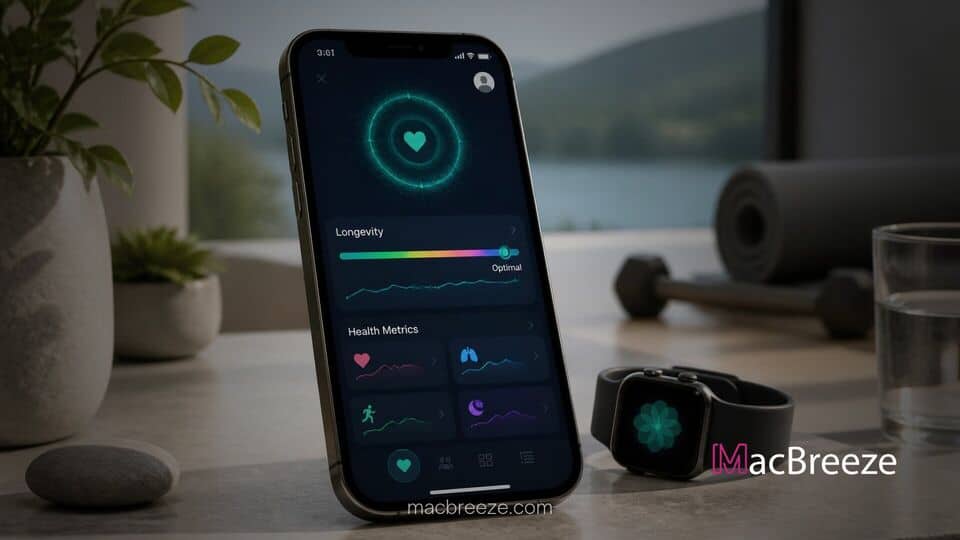
Apple has officially rolled out the first testing builds for its next major system update, offering developers and public testers an early look at a revamped wellness interface. The highlight of the update is a transformed health tracking experience that shifts Apple's software from a passive database into an active health assistant.
Following the public release of iOS 27 and iPadOS 27, the iOS 27.2 developer beta represents Apple's most aggressive push yet into personal health analysis, bringing advanced algorithms directly to the iPhone.
Apple Overhauls Health App in iOS 27.2 Beta
In the testing software, Apple has introduced a comprehensive structural redesign focused on turning raw metrics into actionable guidance. Rather than presenting long lists of historical data, the updated interface organizes health information into dedicated hubs designed to highlight immediate daily trends alongside long-term biological metrics.
The redesign replaces the traditional dashboard structure with dedicated tabs for overall insights, long-term longevity, and categorical data. Users running the beta are greeted with a modernized interface that prioritizes actionable health patterns, daily readiness summaries, and streamlined manual logging options for blood pressure, medications, and nutrition.
Insights, Longevity, and Browse Interface Structure
The new Health layout splits core data into three primary destinations: Insights, Longevity, and Browse. The Insights tab acts as a main landing page, using machine learning to surface timely information such as sudden sleep score shifts or changes in cardiorespiratory fitness.
The Browse tab retains the full archive of categorized health measurements, ranging from body measurements to respiratory metrics, while adopting cleaner navigation menus. Between these sections sits the all-new Longevity tab, a focal point of Apple's latest health strategy aimed at extending active lifespan and tracking long-term biological trends.
New Longevity Tab Features Health Age Tracking
The standout addition inside the redesigned experience is the Longevity tab. This section consolidates vital measurements to give users a clearer look at how lifestyle choices impact long-term biological health over time.
Central to this experience is the new Health Age feature. By analyzing key biomarkers like VO2 max, sleeping heart rate patterns, resting heart rate, and heart rate variability (HRV), the software estimates a user's biological age relative to their chronological birthday. The tab offers actionable breakdowns, explaining which metrics contribute positively or negatively to the score, paired with expert commentary and guided physical assessments like movement flexibility tests.
Role of Apple Watch Data and Apple Intelligence
The revamped Health interface relies heavily on continuous background data captured by wearable hardware. Advanced sensors found in recent wearables, including the watchOS 27 platform and hardware updates like the Apple Watch Series 12 and Ultra 4, feed vital biometric statistics directly into the algorithm. A new Readiness Score exclusive to the latest Apple Watch models synthesizes sleep quality and activity strain to advise users whether to train hard or recover.
Generative AI plays a critical role in context delivery. Powering the experience through Apple Intelligence on compatible hardware, the app automatically generates personalized written summaries explaining daily fluctuations. Instead of leaving users to parse raw numbers, the system contextualizes heart rate or sleep variances, comparing them against historical baselines to suggest practical daily habits.
Expected Public Release Timeline for the Health App Redesign
While developer and public beta participants can test the interface within the current software cycle, Apple has confirmed that the redesigned Health app experience will follow a staggered rollout schedule. Developer release notes indicate that while testing occurs during the iOS 27.2 beta cycle, the full Health overhaul is scheduled for official public availability in a subsequent software update later this year.
The beta testing period allows engineers to fine-tune algorithms, refine onboarding animations, and validate third-party integration features, such as direct lab result orders through Quest Diagnostics. As testing progresses, Apple is expected to expand language support and regional availability ahead of the official launch.
Apple's latest update marks a decisive evolution for its health ecosystem, transforming personal devices into proactive wellness monitors. By combining biological Health Age tracking with automated AI insights, the iPhone continues to expand its role as an essential tool for personal preventive healthcare.