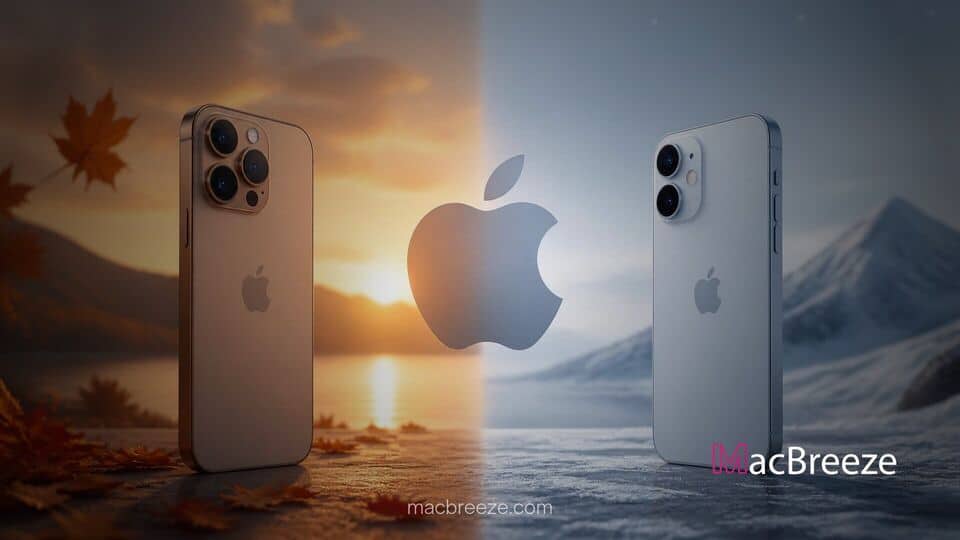
In a significant change to its long-standing retail strategy, Apple is altering its flagship smartphone debut calendar for the upcoming hardware cycle. The company plans to divide the release of its new lineup, debuting high-end models in autumn while holding more affordable variants until early next year.
Industry reports and supply chain indicators confirm that consumers looking to upgrade during the traditional autumn window will only have access to Apple's premium devices. The broader lineup of entry-level and mid-tier models will follow several months later in a secondary product window.
Apple splits iPhone 18 launch into two distinct release windows
According to recent supply chain disclosures and market analysts, Apple will not release all models of its next smartphone family simultaneously. The company plans to showcase its top-tier devices in autumn 2026, while pushing the release of the base-tier hardware into spring 2027. This decision shifts away from the unified September launch template that Apple has maintained for nearly fifteen years.
A Staggered iPhone Release Timeline
Under the revised operational plan, Apple is restructuring its product rollout to give individual smartphone tiers dedicated promotional periods. Rather than crowding multiple price tiers into a single launch event, the company is creating two clear hardware phases within the annual calendar.
Pro Models and Foldable Debut in Fall
The first phase of the rollout will take place during Apple's signature September launch event. This window will focus entirely on the company's highest-priced and most technically advanced smartphones. Consumers attending the event or monitoring pre-orders will see the arrival of the higher-end Pro variants alongside Apple's long-rumoured first-generation foldable device, which industry leaks suggest may carry the Ultra designation.
These autumn offerings are designed to highlight cutting-edge hardware innovations. Reports indicate that the new Pro series will feature next-generation silicon built on TSMC's 2nm manufacturing node, sophisticated variable-aperture camera systems, and reduced display cutouts. By reserving the fall stage exclusively for these top-tier devices, Apple aims to direct immediate consumer attention toward its highest-margin products ahead of the peak holiday shopping season.
Standard iPhone 18 Pushed to Spring 2027
Conversely, the second phase will take place in early 2027, tentatively expected around March. This spring window will house the standard entry-level smartphone alongside budget-conscious extensions like the updated entry-tier models. Potential second-generation slim form factors are also anticipated to join this secondary launch window.
This delay marks the first time since the early days of the smartphone line that a core numbered flagship will not be present on store shelves during the September sales period. Customers seeking the standard entry model will need to hold onto their existing devices through the winter months or opt for a higher-tier alternative during the fall release window.
Why Apple Is Changing Its Product Launch Schedule
Industry analysts point to several macroeconomic and logistical drivers behind this strategic pivot. A primary factor is the persistent global volatility surrounding critical components, particularly consumer DRAM and specialized semiconductor manufacturing capacity. Essential component prices have increased sharply, prompting technology manufacturers to carefully allocate available materials toward higher-margin hardware early in production runs.
Suppliers in Taiwan recently signaled changes in shipment timelines during financial briefings, noting that major technology customers are adjusting delivery schedules to balance inventory constraints and component costs. Prioritizing premium hardware allows Apple to manage supply bottlenecks effectively while maximizing immediate profit margins on available components.
Beyond supply considerations, marketing strategy plays an equally critical role. As Apple expands its lineup to accommodate foldables, ultra-thin models, and multiple Pro tiers, presenting up to six or seven distinct smartphones in a single presentation risks diluting consumer focus. A bifurcated schedule allows the company to execute two dedicated marketing pushes per year. This operational shift creates consistent media momentum and bridges the revenue gap during the typically slower spring quarter, countering competing Android releases that traditionally populate the early months of the calendar year.
Impact on Consumer Buying Options and Pricing
The staggered release strategy presents distinct implications for consumers. For buyers accustomed to evaluating the entire range of new devices side-by-side every September, the split timeline forces a choice between upgrading immediately to a costlier flagship or waiting until spring for a standard option.
Financial analysts anticipate that the autumn launch window will carry a higher average entry price. Because only premium hardware and foldable devices will be available initially, shoppers looking to purchase the newest generation before the holidays must commit to higher price points. Meanwhile, rising component expenditures across the supply chain may lead to incremental price adjustments across the Pro tier.
Market watchers suggest this change could alter historical upgrade patterns. While technology enthusiasts and early adopters are expected to continue purchasing premium devices upon release in September, mainstream consumers may shift toward a biannual cycle, establishing spring as the primary upgrade period for standard hardware.
As Apple prepares its manufacturing infrastructure for this two-phase deployment, retail channels and wireless carriers are adjusting their promotional strategies to support distinct hardware surges throughout the year.