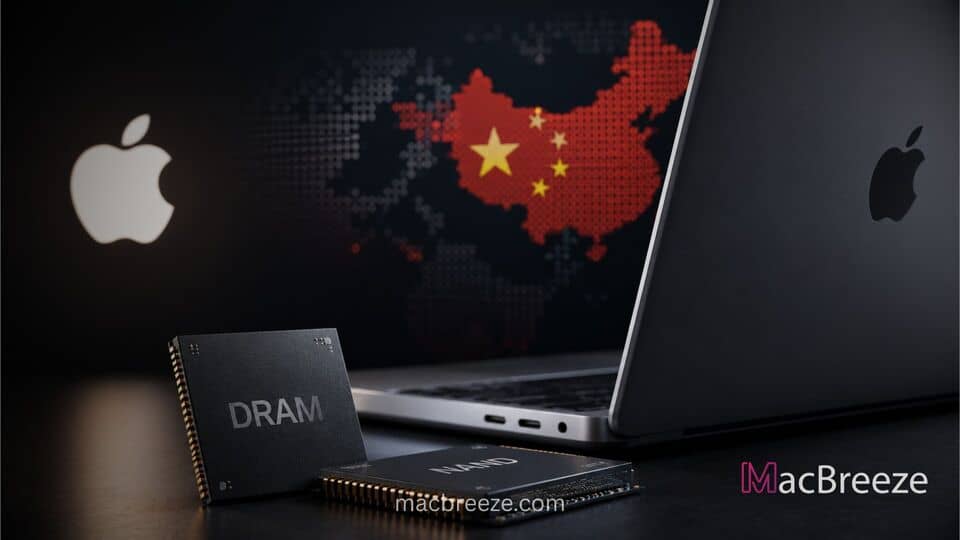
Apple is reviewing potential partnerships with select Chinese memory chip suppliers in an effort to counterbalance the escalating production costs associated with manufacturing its Mac computers. The move could mark a significant shift in Apple’s long-term supply chain strategy, as the company searches for ways to keep its product lineup competitively priced in a turbulent global market.
Rising prices for semiconductors and increased logistical expenses have driven component costs higher throughout the tech industry. Apple’s consideration to look beyond its established suppliers, including those from South Korea and Japan, highlights its focus on maintaining manageable profit margins for Mac devices, which remain a crucial part of the company’s hardware ecosystem.
Apple memory chip supply costs: Strategic Sourcing Moves Under Scrutiny
As Apple explores the possibility of incorporating Chinese memory chip partners, analysts are watching closely for the potential impact on both pricing and product availability worldwide. The company has traditionally sourced its NAND and DRAM chips from global leaders like Samsung and SK Hynix. However, with raw material prices rising and disruption in international freight lines, the company faces mounting pressure to diversify supply and find cost efficiencies wherever possible.
Apple Proposal for Sourcing Foreign Memory Chips
According to multiple supply chain insiders, Apple is evaluating a shortlist of Chinese semiconductor firms capable of delivering high-quality memory chips that comply with its strict product performance standards. This evaluation phase follows a year marked by increased volatility in the semiconductor industry and repeated warnings from Apple executives about tighter hardware margins.
Mounting Cost Pressures in Mac Hardware Manufacturing
“We are always looking for ways to optimize our supply chain without compromising the quality and security of our products,” said a spokesperson for Apple when asked to comment on the supplier search. The spokesperson emphasized that the company requires all partners to adhere to rigorous quality and data privacy standards, regardless of geographic origin.
Opposition From US Semiconductor Manufacturers
Industry reactions to Apple’s proposed supplier shift have been mixed. Several US-based chipmakers and trade groups have voiced concern about the reliance on foreign, particularly Chinese, memory technologies. The primary worry centers on intellectual property risks and potential vulnerabilities in sourcing from markets subject to changing political and regulatory conditions.
Meanwhile, supporters of Apple’s approach point to the competitive pressure to keep hardware affordable for end customers, especially as inflation and supply bottlenecks force manufacturers to reconsider traditional sourcing arrangements.
Potential Impact on International Mac Availability and Pricing
Market analysts suggest that if Apple successfully integrates Chinese suppliers into its Mac production chain, consumers may see reduced cost pressures reflected in future Mac pricing, or at the very least, slower price increases. However, questions remain about how such a move could affect the company’s ability to deliver consistent hardware performance and whether regulatory scrutiny could further complicate sourcing decisions.
What Comes Next for Apple Supply Chain Strategy
As of now, Apple has not officially confirmed contracts or announced an imminent switch in its memory chip suppliers. The evaluation process is ongoing and is expected to include thorough audits of each potential supplier’s facilities, security processes, and compatibility with Apple’s technology standards.
Insiders expect that Apple will continue to balance its cost-saving initiatives with the need for robust quality control and geopolitical risk avoidance. How quickly the company shifts its procurement strategies could influence the broader tech industry’s approach to navigating supply chain disruptions and competitive pricing pressures.
In summary, Apple’s exploration of Chinese memory chip suppliers exemplifies the challenges and opportunities facing global electronics manufacturers in today’s market. The decision could reshape industry standards for sourcing and ultimately impact product costs for millions of consumers worldwide.