Apple is preparing to update its iconic all-in-one desktop computer with next-generation custom silicon and a revised aesthetic palette later this year. According to supply chain reports and industry analysts, the upcoming desktop update will bring improved processing power, enhanced efficiency, and refreshed finish choices to consumers.
The anticipated desktop release aims to maintain the momentum of the Mac lineup as consumer demand for high-performance home and office workstations continues to evolve. Industry observers note that the planned changes will address both performance expectations and cosmetic preferences among professional and personal users.
Apple M6 iMac Refresh Launch to Revitalize Desktop Lineup
The upcoming Apple M6 iMac refresh launch marks a significant step in the continuation of the tech giant's desktop strategy. Reports indicate that the new model will incorporate the next generation of Apple silicon while maintaining the sleek, ultra-thin profile that has characterized the series in recent years. Beyond internal hardware improvements, Apple plans to introduce a revised color palette designed to offer a fresh visual appeal for modern workspace environments.
Bloomberg Report Outlines Fall Launch for M6-Powered iMac
According to reports from industry insiders, including Bloomberg's tech correspondents, the refreshed all-in-one desktop is on track for an official debut during the second half of the year. The timeline aligns with Apple's traditional autumn product announcement cadence, where the company routinely highlights updates across its Mac and iPad portfolios.
Supply chain sources suggest that manufacturing partners are already ramping up component production to meet expected demand. Assembly lines are adjusting to accommodate the revised chassis coatings and internal component layouts required for the new processor iteration. The planned release schedule reflects a concerted effort by Apple to keep its desktop offerings aligned with contemporary hardware expectations.
Market analysts suggest that timing the release for late in the year allows Apple to capture crucial holiday shopping demand while providing enterprise and education customers with upgraded hardware options ahead of the new fiscal cycle.
Skipping Chip Generations From M4 to M6
One of the most notable aspects of the upcoming release is the potential progression in processor generations. While previous iterations transitioned incrementally through M-series architectures, reports suggest Apple may consolidate its desktop roadmap to align directly with the M6 silicon family. This strategy would allow the desktop lineup to benefit from advanced fabrication processes and architectural refinements designed for high-efficiency computing.
The move to M6 silicon is expected to deliver noticeable improvements in single-thread performance, multi-core processing, and graphics execution. Early leaks indicate that the architecture will leverage updated transistor densities, resulting in greater computational throughput without requiring an increase in power consumption or thermal output.
For users running demanding creative applications, such as video editing suites, 3D rendering software, and complex audio workstations, the shift in architecture promises faster render times and smoother real-time playback. The integrated Neural Engine is also expected to receive a substantial boost, enabling accelerated local processing for machine learning tasks and artificial intelligence features embedded within the operating system.
Expected Hardware Upgrades and Color Palette Changes
Beyond the internal central processing unit, the upcoming release is slated to include several hardware enhancements aimed at improving everyday usability. Sources familiar with the hardware development indicate that memory bandwidth may see an increase, alongside higher base configurations for unified memory and storage space.
Display quality remains a cornerstone of the all-in-one experience. While the core display panel technology is expected to maintain high resolution and wide color gamut support, Apple may introduce subtle improvements to anti-reflective coatings and peak brightness levels. Port selection and wireless connectivity are also set for updates, with potential support for newer Wi-Fi standards and faster Thunderbolt connectivity across all tier configurations.
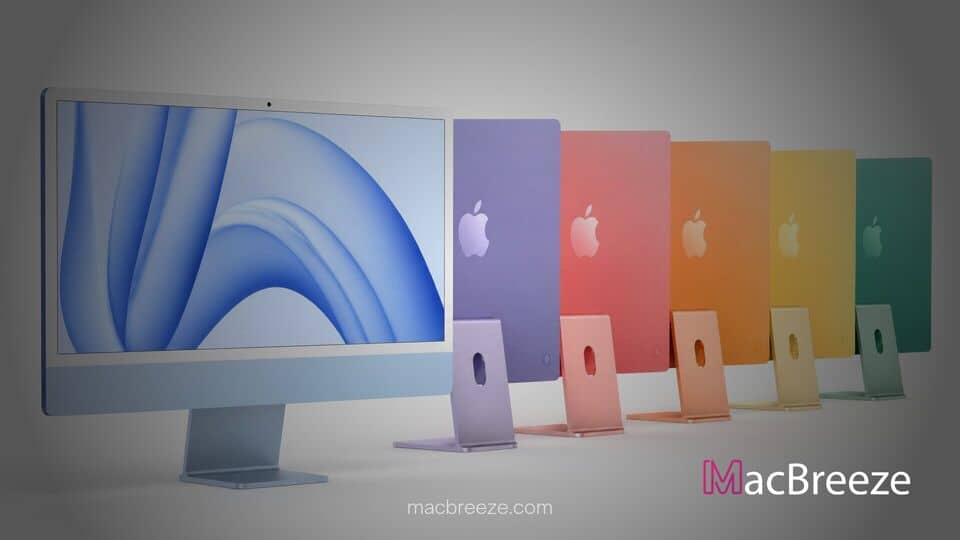
Visually, the most prominent change will be the introduced color palette. Apple introduced bold, saturated hues with earlier redesigned models, but customer feedback has led the design team to refine the choices. The new lineup is expected to feature a mixture of subtle tones and updated classic finishes, offering users a broader variety of options that fit seamlessly into professional office environments and home spaces alike.
Retaining Current 24-Inch All-in-One Design
Despite the changes under the hood and on the exterior finish, Apple is expected to retain the established 24-inch form factor. The ultra-slim enclosure, which measures just over 11 millimeters in depth, has proven popular for its minimal physical footprint and integrated aesthetic.
Maintaining the 24-inch screen size allows Apple to utilize existing manufacturing tooling while focusing engineering resources on internal optimizations and thermal management. The compact structure relies on efficient heat dissipation, a requirement that the updated M6 chip is specifically engineered to meet. The front glass facade, integrated speaker system, and studio-quality microphone array are expected to remain key components of the overall physical design.
While some power users continue to express interest in a larger display variant, such as a high-end Pro model, current indications suggest Apple is focusing its immediate desktop efforts on refining the mainstream 24-inch platform to balance affordability, footprint, and processing power.
Impact on Apple Desktop Silicon Lineup and Availability
The introduction of an M6-powered desktop will further differentiate Apple's personal computer lineup from competing Windows-based alternatives. By maintaining tight integration between custom hardware and macOS software, the company continues to emphasize performance efficiency and system stability as key selling points.
Retail availability is expected to follow shortly after the formal product announcement, with online pre-orders opening during the same launch week. Standard configurations will likely be available through official retail stores and authorized resellers, while custom build-to-order configurations with expanded memory and storage options will be distributed through Apple's online platform.
As the launch window approaches, further details regarding precise pricing, regional availability, and complete hardware specifications are expected to emerge from official channels, cementing the updated desktop's role in Apple's broader Mac ecosystem strategy.