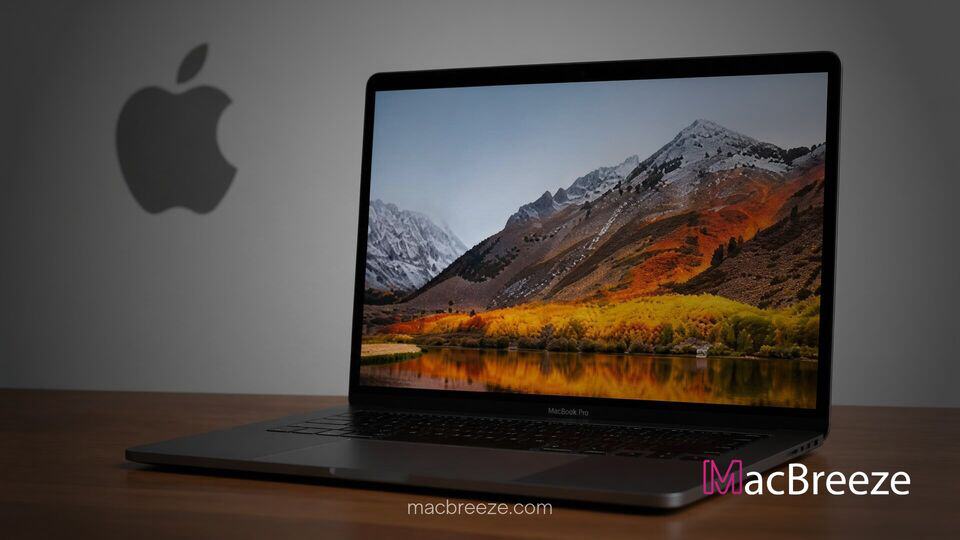
Apple has official updated its vintage and obsolete products list, officially designating the 2018 15-inch MacBook Pro as obsolete. The change means Apple Stores and Apple Authorized Service Providers will no longer offer hardware repairs or supply original replacement parts for the model.
Apple Classifies 2018 15-Inch MacBook Pro as Obsolete
The transition marks the end of official hardware support for the 2018 15-inch MacBook Pro as it officially moves out of the vintage category. Under Apple guidelines, products enter the obsolete list once seven years have elapsed since the company stopped distributing them for sale. As a result, official repair channels are now completely closed for owners seeking hardware servicing on these machines through Apple retail outlets.
Alongside the professional notebook, Apple also shifted the iconic 10th anniversary iPhone X to the same obsolete status during the late summer support list refresh. Both products represent key hardware milestones from late 2017 and mid-2018 that have gradually reached the final phase of Apple lifecycle support policies.
End of Official Hardware Repairs and Replacement Parts
For affected customers, reaching obsolete status fundamentally changes repair options. Apple Authorized Service Providers and genius bars will no longer accept hardware service requests for the laptop. Technicians will not order replacement logic boards, displays, or top cases for the 2018 15-inch MacBook Pro regardless of whether the owner is willing to pay out-of-pocket costs.
Users who encounter hardware failures moving forward will need to rely on independent third-party repair shops, secondary component marketplaces, or self-repair efforts using salvaged or aftermarket parts. While third-party options remain widely available, official components supplied directly by Apple are no longer distributed.
What Obsolete Status Means for Affected Mac Owners
While hardware servicing is now restricted, obsolete status does not instantly render a computer unusable. Laptops that remain in working physical condition will continue to function normally for everyday tasks. However, ongoing operating system compatibility and security patches become increasingly limited over time as Apple shifts development attention exclusively toward Apple silicon architectures.
The 2018 15-inch MacBook Pro remains constrained on software upgrades, with official support topping out at macOS Sequoia. While general software maintenance updates may continue for a period, major feature upgrades from newer macOS revisions will no longer support this hardware generation natively.
Battery Service Exceptions for Legacy Laptops
There is one noteworthy caveat to the strict hardware repair ban. Apple policies state that Mac laptops may remain eligible for extended battery-only service for up to 10 years from the date the model was last distributed for sale. However, this service extension remains strictly subject to inventory and replacement part availability.
If battery components for the 2018 15-inch MacBook Pro run out of stock at regional distribution centers, Apple will no longer manufacture or restock them. Laptop owners seeking official battery service are encouraged to check availability promptly with local service providers before inventory depletes entirely.
Background on the 2018 MacBook Pro Lifecycle
First introduced in July 2018, the 15-inch MacBook Pro featured eighth-generation Intel Core i7 and Core i9 processors, supporting up to 32GB of RAM for high-performance creative workflows. It was notable for introducing Apple custom T2 security chip to the lineup, handling secure boot operations, encrypted storage management, and Touch ID data protection.
The model was also part of the era defined by Apple slim butterfly mechanism keyboard design. Apple ran a dedicated Keyboard Service Program covering affected models for four years after retail sale, a initiative that fully concluded in 2024. By late 2019, Apple replaced the 15-inch form factor altogether with the 16-inch MacBook Pro, featuring the redesigned Magic Keyboard.
The official retirement of the 2018 15-inch MacBook Pro serves as another signpost in Apple transition away from Intel processors toward Apple silicon. As older Intel machines move onto the obsolete product list, user attention naturally shifts toward modern M-series MacBook options that offer vastly improved energy efficiency, thermal management, and long-term operating system support.