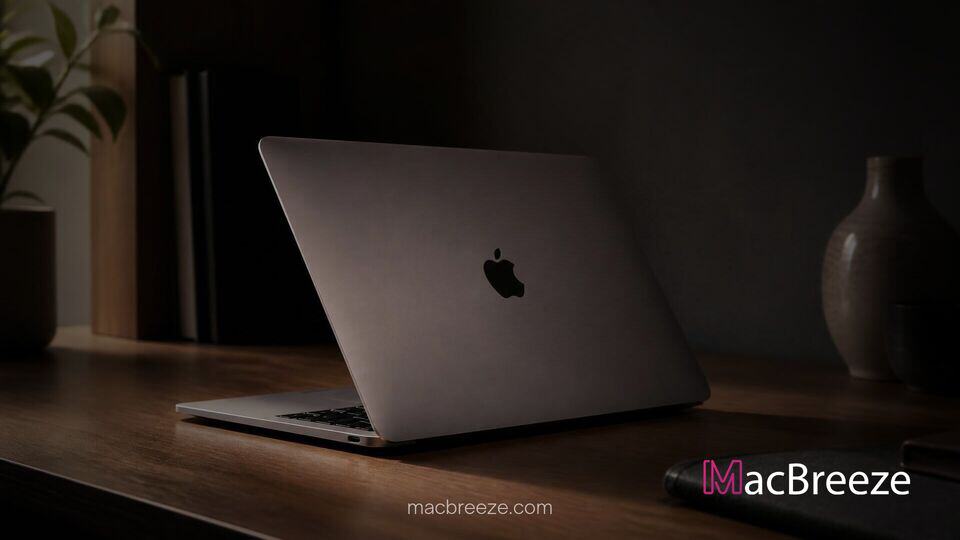
Apple has officially updated its public service status list, classifying the final 2017 model of the 12-inch Retina MacBook as obsolete hardware. The transition permanently ends hardware support and official replacement part distribution for the ultra-portable laptop across all Apple Stores and Apple Authorized Service Providers.
Apple Declares Final 12-Inch MacBook Obsolete
Under official hardware policies, Apple designates devices as obsolete once seven years have passed since the company last distributed them for sale. While earlier 2015 and 2016 revisions of the compact notebook were already marked obsolete, the inclusion of the mid-2017 revision means the entire 12-inch MacBook product line is now fully retired from official repair programs. Alongside the 12-inch laptop, Apple also added the sixth-generation iPad and several colorways of BeatsX wireless earphones to its obsolete catalogue in the same update.
What Obsolete Status Means for Laptop Owners
When hardware reaches obsolete status, Technicians at Genius Bars and authorized service centers can no longer order genuine parts or perform official repairs on the machine. Software support for the 12-inch model had already wound down over previous software cycles, but the new classification removes all lingering safety nets for physical maintenance. Owners running these systems must now rely entirely on independent repair channels, salvaged components, or third-party stock if hardware failures occur.
Hardware Repair and Service Restrictions
The loss of official repair eligibility affects every primary internal component of the 2017 12-inch MacBook, including the logic board, display assembly, and trackpad. Because Apple no longer supplies original components to service channels, even legacy Mac support channels will turn away users seeking hardware fixes for this specific model.
Battery Replacement Availability Exception
There is one notable exception to the hardware shutdown. According to service documentation, Mac laptops may remain eligible for battery-only replacements for up to 10 years after distribution ended, subject to stock availability. If an Apple Store or authorized service center still holds compatible battery inventory, owners of the 2017 MacBook can potentially obtain a official battery replacement. However, if the battery unit is permanently adhered to a damaged top case that requires complete replacement, repair attempts may still be turned down if matching structural parts are exhausted.
Legacy of Apple's Lightest Retina Laptop
Originally introduced in spring 2015, the 12-inch MacBook was designed as a radical, fanless vision for mobile computing. Weighing just 920 grams (2.03 pounds) and measuring 13.1 mm at its thickest point, it remains the lightest notebook computer Apple has ever mass-produced.
The ultra-thin enclosure served as the testing ground for several key engineering decisions that later reshaped Apple's wider hardware lineup. It was the first Mac model to eliminate legacy ports in favor of a single USB-C port for charging and data expansion. It also introduced the force-sensing Multi-Touch trackpad and the controversial low-profile butterfly keyboard mechanism that was later phased out following widespread reliability complaints.
Despite praise for its thin chassis and crisp Retina display, the 12-inch MacBook struggled with performance limitations tied to low-power Intel Core M processors. The fanless design struggled under heavy sustained workloads, and power consumption constraints restricted thermal headroom. Apple ultimately discontinued the line in July 2019, choosing instead to focus its portable lineup around the revamped MacBook Air.
Though tech enthusiasts have frequently advocated for a revived 12-inch chassis powered by modern custom silicon, Apple's laptop family currently starts at the 13-inch display size. As the 2017 edition officially enters the obsolete list, one of Apple's most distinctive hardware experiments officially reaches the end of its operational lifecycle.