Verizon has published official plan guidelines detailing how it intends to bill customers who use Apple's enhanced cellular multi-device capabilities in iOS 27. Subscribers activating cellular continuity features across two active smartphones will see a recurring service charge added to their monthly bill.
Under the new structure, connecting a secondary device via Apple's updated handoff architecture requires an active line assignment, bringing carrier access costs into line with traditional companion device tiers like smartwatches and connected tablets.
Verizon Unveils Pricing and Support for iOS 27 iPhone Handoff
Verizon confirmed that subscribers seeking to mirror cellular voice calls, text messaging, and continuous network synchronization across two active iPhones running iOS 27 will be subject to a $10 per month line access charge. The fee covers carrier-side network routing, multi-eSIM credential management, and real-time call forwarding protocols integrated directly into Apple's latest software operating system.
The carrier's official support documentation confirms that while basic Wi-Fi continuous handoff remains free between Apple hardware logged into the same iCloud account, any cellular-backed feature operating independently outside local network ranges will require this specific add-on. Customers managing multi-device workflows, including those taking advantage of high-demand hardware releases like the iPhone Duo alongside a standard flagship model, must enroll both devices under an eligible postpaid account.
How iPhone Handoff Works Across Dual-Device Setups
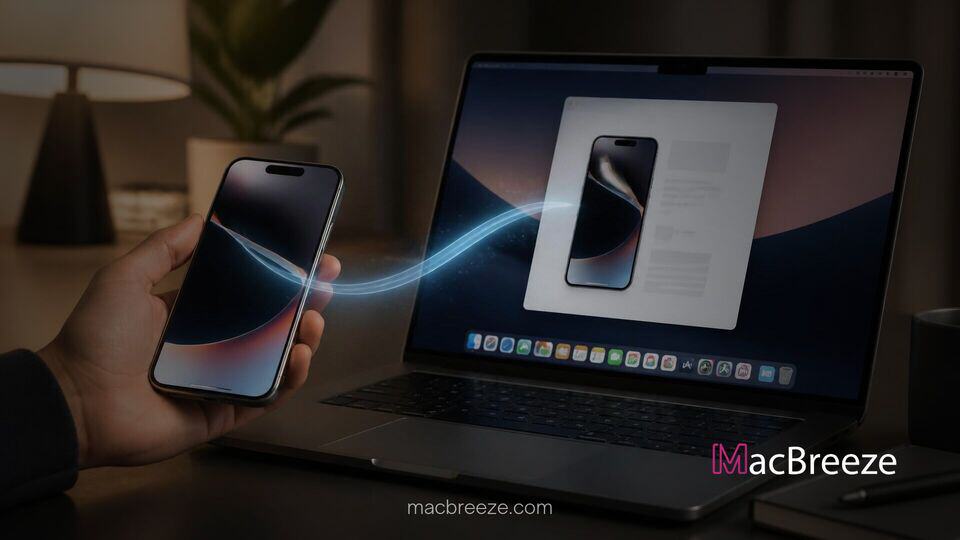
Apple enhanced its system-level continuity features with the release of iOS 27, allowing two separate iPhones to share a single phone number, active call queues, and synchronized data relays seamlessly over cellular connections. This architectural change allows a primary phone left behind at home or work to push live calls, SMS text messages, and background data feeds to a secondary active phone anywhere on Verizon's 5G network.
Number Sharing Between iPhone Duo and iPhone 18 Pro
The technology behind the implementation relies on an updated version of carrier-level network provisioning. Similar to how Apple Watch cellular models share a phone number with an iPhone, Verizon routes incoming calls and network tokens to two distinct eSIM profiles simultaneously. For users pairing a primary flaghip like the iPhone 18 Pro with a secondary compact handset or foldable device, the primary number acts as an overarching identity across both hardware screens without requiring manual call forwarding toggles.
Technical and Cellular Requirements for Enrollment
To enable the dual-device handoff system, both smartphones must run iOS 27 or higher, support active standalone eSIM functionality, and be linked to the same Apple ID. On the carrier side, customers must hold an active Verizon Unlimited plan, such as Unlimited Plus or Unlimited Ultimate. Accounts utilizing legacy shared data tiers or prepaid service lines are currently ineligible for the multi-device cellular sync add-on.
Verizon Monthly Service Fees and Plan Details
The standard $10 monthly charge will appear on account statements as an Additional Device Access Line fee. Verizon notes that standard government taxes, regulatory recovery fees, and local surcharges will apply on top of the base line charge, bringing the effective monthly cost slightly higher depending on the customer's region.
Subscribers who subscribe to top-tier Unlimited Ultimate plans may qualify for a promotional discount that reduces the secondary device access charge to $5 per month. Verizon also noted that line counts for dual-device handoff will count toward account device limits, which cap consumer accounts at ten active personal lines per main subscriber profile.
What This Means for Multi-Device iPhone Users
While Apple designed iOS 27 handoff features to eliminate friction between multiple hardware form factors, carrier pricing structures create an added financial consideration for power users. Consumers looking to split usage between specialized devices must now account for recurring service fees rather than relying solely on cloud software features.
Industry analysts point out that carriers face increased infrastructure demands when routing real-time network states and duplicated SIM tokens across multiple radio connections simultaneously. As hardware lineups continue to diversify with folding form factors and compact secondary devices, similar multi-device access charges are expected to become standard practice across major wireless networks.
In summary, while Apple's native software update allows unprecedented seamlessness between two active handsets, Verizon subscribers will need to weigh the convenience of full cellular sync against the recurring $10 monthly service fee.