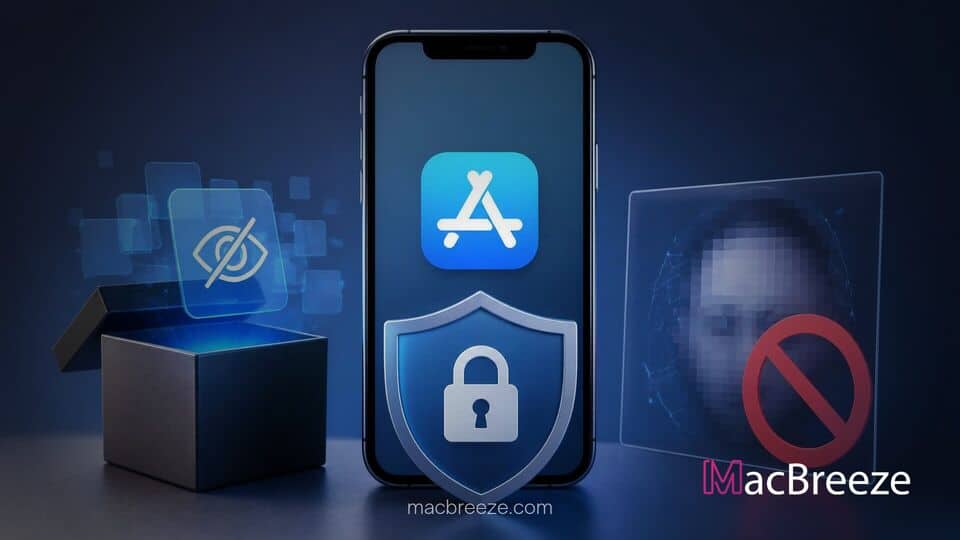
Apple has officially revised its App Review Guidelines, taking a firm stance against nonconsensual artificial intelligence deepfakes and deceptive code submission practices . The latest policy updates mandate that developers proactively screen for abusive synthetic media while threatening total developer account termination for those who hide features during the review process .
The changes come amid growing scrutiny over generative AI tools and widespread tactics used by unscrupulous developers to evade moderation filters. By formalizing these protections, Apple aims to safeguard users from harmful synthetic media and prevent apps from drastically altering their capabilities after gaining initial platform approval .
apple app store rules hidden features ai deepfakes: Key Policy Changes
Under the revised guidelines, Apple updated Section 1.2 and introduced a standalone Section 2.5.19 to address core safety vulnerabilities . Under the apple app store rules hidden features ai deepfakes policies, developers must proactively prevent and eliminate nonconsensual intimate imagery, specifically targeting deepfake nudification tools . Furthermore, the framework explicitly bans hidden, dormant, or obfuscated features that alter an app's primary function post-approval .
Apple Mandates Strict Policies Against Hidden Features and AI Deepfakes
The revised policies mark a significant expansion in how the iPhone maker polices user-generated content and software integrity . While pornographic material and sexually explicit content have long been banned from the App Store, the rise of powerful generative image generators created fresh operational challenges for platform moderators . Developers must now implement active content safeguards rather than relying on reactive reporting after abusive media has already circulated .
The move follows several high-profile incidents where web utilities and photo-editing applications were used to create unauthorized explicit imagery of real individuals without their knowledge or consent . Furthermore, public pressure mounted on major platforms after tech watchdogs flagged generative chatbots and specialized nudification software easily accessible on mobile marketplaces . Apple noted that app providers failing to implement appropriate content filters face immediate enforcement action under the Developer Code of Conduct .
Details of App Review Guideline 2.5.19
To eliminate ambiguity surrounding deceptive software builds, Apple carved out Guideline 2.5.19, which specifically targets undisclosed capabilities . Previously bundled under broader application accuracy requirements in Guideline 2.3.1, the dedicated rule establishes direct standards for software transparency .
The official text instructs developers that their application's functionality must be completely clear to both end users and human reviewers . Apps cannot contain dormant code branches, remote toggles, or undocumented interfaces that remain hidden during submission and subsequently activate once downloaded by the public . This strategy, frequently called a bait-and-switch scheme, has historically been utilized by bad actors to sneak illegal gambling platforms or explicit features past App Store screeners .
Targeting Code Obfuscation and Feature Toggles
A primary focal point of the update centers on how applications compile and execute binary code . Modern mobile development often relies on server-side switches to roll out new features gradually or run live operational tests. However, rogue developers routinely abuse these frameworks, delivering benign utility apps during review while maintaining backdoors to unlock prohibited content for targeted geographic markets or user bases .
Apple specifically noted that hiding undocumented capabilities using code obfuscation or encrypted payloads within the app binary directly breaches platform terms . These technical changes reflect Apple's overarching push toward tighter software control across its operating systems, mirroring efforts like macOS 27 Golden Gate system updates and advanced hardware integrations that prioritize platform trust and default system security settings.
Alongside digital safety updates, Section 5 of the guidelines was tightened to extend immediate bans against apps facilitating child exploitation or human trafficking to alternative distribution channels . This ensures that developers blocked from the native App Store cannot exploit third-party app marketplaces or sideloading mechanisms where local regulations permit alternative storefronts .
Enforcement Measures and Penalties for Developers
Apple emphasized that violations of the revised guidelines will carry severe operational consequences . For failures related to content moderation, applications face removal from store listings if the developer fails to fix identified safety gaps promptly . However, developers caught intentionally misleading review teams through code obfuscation or bait-and-switch releases face immediate removal of their apps and permanent termination from the Apple Developer Program .
In an official statement published on its developer news portal, Apple reaffirmed its zero-tolerance approach: "We do not hesitate to remove apps, and terminate the developers behind them, when they violate these guidelines" . The strict stance ensures legitimate creators maintain a fair playing field while reassuring consumers that software installed across iOS devices remains safe and transparent .
By closing technical loopholes and establishing strict responsibilities for AI tools, Apple continues to adapt its app ecosystem against modern safety risks, signaling to developers worldwide that transparency and proactive protection are non-negotiable prerequisites for operating on its platforms .